


29 October 2026, 02:06 PM
What Is Cultivation: Tips for Top Crop Yields
Discover how proper soil cultivation can transform your farm. Maximize your crop yields with proven strategies for healthier, nutrient-rich soil today.
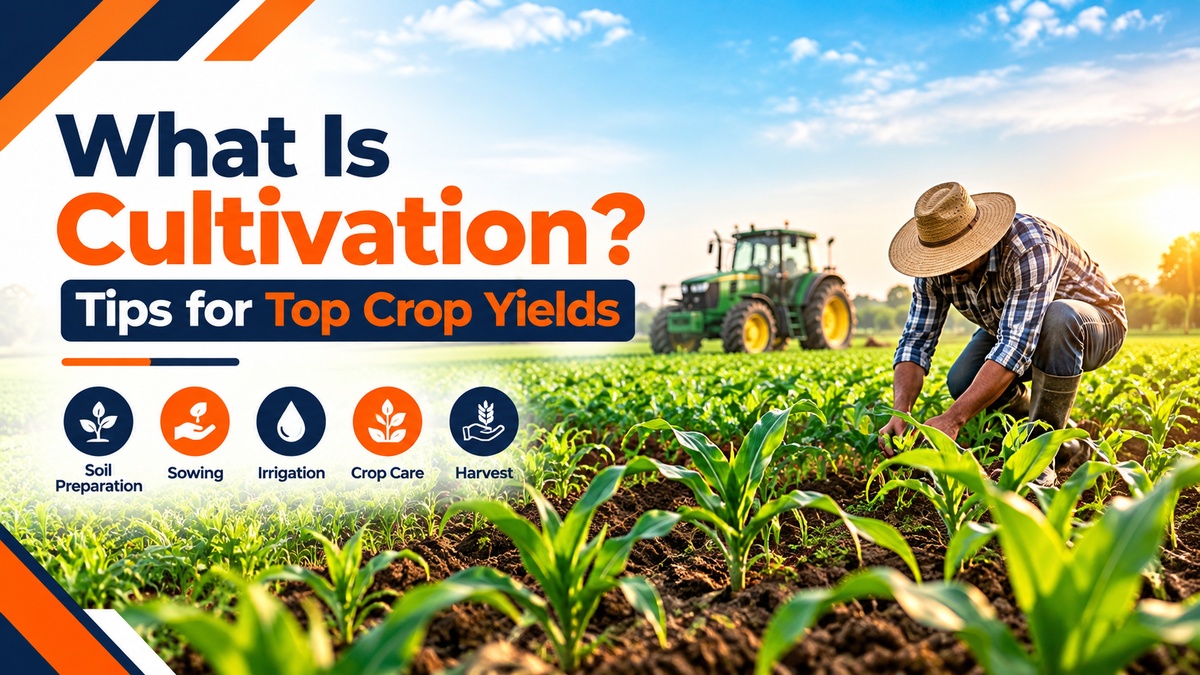
Introduction:
Every legendary harvest begins beneath the soil's surface. While it is easy to get caught up in choosing the flashiest seeds or the most advanced irrigation systems. Because the real magic happens is in the dirt. First you must master soil cultivation fundamental practices. Especially if you want to unlock maximum productivity on your land.
But the real question is, what is cultivation? How can you use this method to transform your fields into high-yielding powerhouses? Let’s dig into the science, the strategies, and the future of working the earth.
What Is Cultivation?
Cultivation is the deliberately loosening and preparing act through which soil is highly optimized for plant growth. It is an ancient agricultural practice that bridges the gap between raw and wild earth. It also improves highly productive seedbeds in the fields.
The cultivation term refers to two distinct phases in modern farming and gardening.
1) Primary Cultivation: We break up deeply compacted and undisturbed soil in this process. The main purpose is to open up the land (often done via plowing).
2) Secondary Cultivation: Working through the top layers of the soil to eliminate emerging weeds so you can create perfectly smooth and fine-textured soil. Additionally, it also incorporates fertilizers for planting seeds purposes.
Understanding what cultivation is requires looking at it not as a chore. But it acts as a method of setting the stage for life. You are essentially building a comfortable and nutrient-rich home in this way. A home where your crops can thrive without resistance.
How Cultivation Works:
Soil is a living ecosystem. When left untouched, it can pack down tight, blocking out the very elements your crops need to survive. Cultivation mechanically alters the physical structure of the earth to kickstart a chain reaction of benefits.
1) Aeration and Oxygen Flow
Roots need to breathe just as much as leaves do. When you till or turn the earth, you introduce pockets of air into compacted dirt. This boost in oxygen fuels the aerobic microbes that break down organic matter into usable plant food.
2) Moisture Control and Water Infiltration
Hard, crusty soil acts like a concrete slab, causing valuable rainwater or irrigation to run off the surface rather than soaking in. Breaking up that surface crust allows water to penetrate deeply into the root zone, keeping moisture where it matters most.
3) Weed Eradication
Weeds are the ultimate thieves, stealing water, sunlight, and vital nutrients from your cash crops. Running a cultivator or hoe through your rows cleanly uproots these invaders before they can establish deep networks, giving your crops a competitive edge.
Here you can explore our wheat culvitaion article!
Read More: https://zarea.com/news/what-is-cultivati...rop-yields
Discover how proper soil cultivation can transform your farm. Maximize your crop yields with proven strategies for healthier, nutrient-rich soil today.
Introduction:
Every legendary harvest begins beneath the soil's surface. While it is easy to get caught up in choosing the flashiest seeds or the most advanced irrigation systems. Because the real magic happens is in the dirt. First you must master soil cultivation fundamental practices. Especially if you want to unlock maximum productivity on your land.
But the real question is, what is cultivation? How can you use this method to transform your fields into high-yielding powerhouses? Let’s dig into the science, the strategies, and the future of working the earth.
What Is Cultivation?
Cultivation is the deliberately loosening and preparing act through which soil is highly optimized for plant growth. It is an ancient agricultural practice that bridges the gap between raw and wild earth. It also improves highly productive seedbeds in the fields.
The cultivation term refers to two distinct phases in modern farming and gardening.
1) Primary Cultivation: We break up deeply compacted and undisturbed soil in this process. The main purpose is to open up the land (often done via plowing).
2) Secondary Cultivation: Working through the top layers of the soil to eliminate emerging weeds so you can create perfectly smooth and fine-textured soil. Additionally, it also incorporates fertilizers for planting seeds purposes.
Understanding what cultivation is requires looking at it not as a chore. But it acts as a method of setting the stage for life. You are essentially building a comfortable and nutrient-rich home in this way. A home where your crops can thrive without resistance.
How Cultivation Works:
Soil is a living ecosystem. When left untouched, it can pack down tight, blocking out the very elements your crops need to survive. Cultivation mechanically alters the physical structure of the earth to kickstart a chain reaction of benefits.
1) Aeration and Oxygen Flow
Roots need to breathe just as much as leaves do. When you till or turn the earth, you introduce pockets of air into compacted dirt. This boost in oxygen fuels the aerobic microbes that break down organic matter into usable plant food.
2) Moisture Control and Water Infiltration
Hard, crusty soil acts like a concrete slab, causing valuable rainwater or irrigation to run off the surface rather than soaking in. Breaking up that surface crust allows water to penetrate deeply into the root zone, keeping moisture where it matters most.
3) Weed Eradication
Weeds are the ultimate thieves, stealing water, sunlight, and vital nutrients from your cash crops. Running a cultivator or hoe through your rows cleanly uproots these invaders before they can establish deep networks, giving your crops a competitive edge.
Here you can explore our wheat culvitaion article!
Read More: https://zarea.com/news/what-is-cultivati...rop-yields