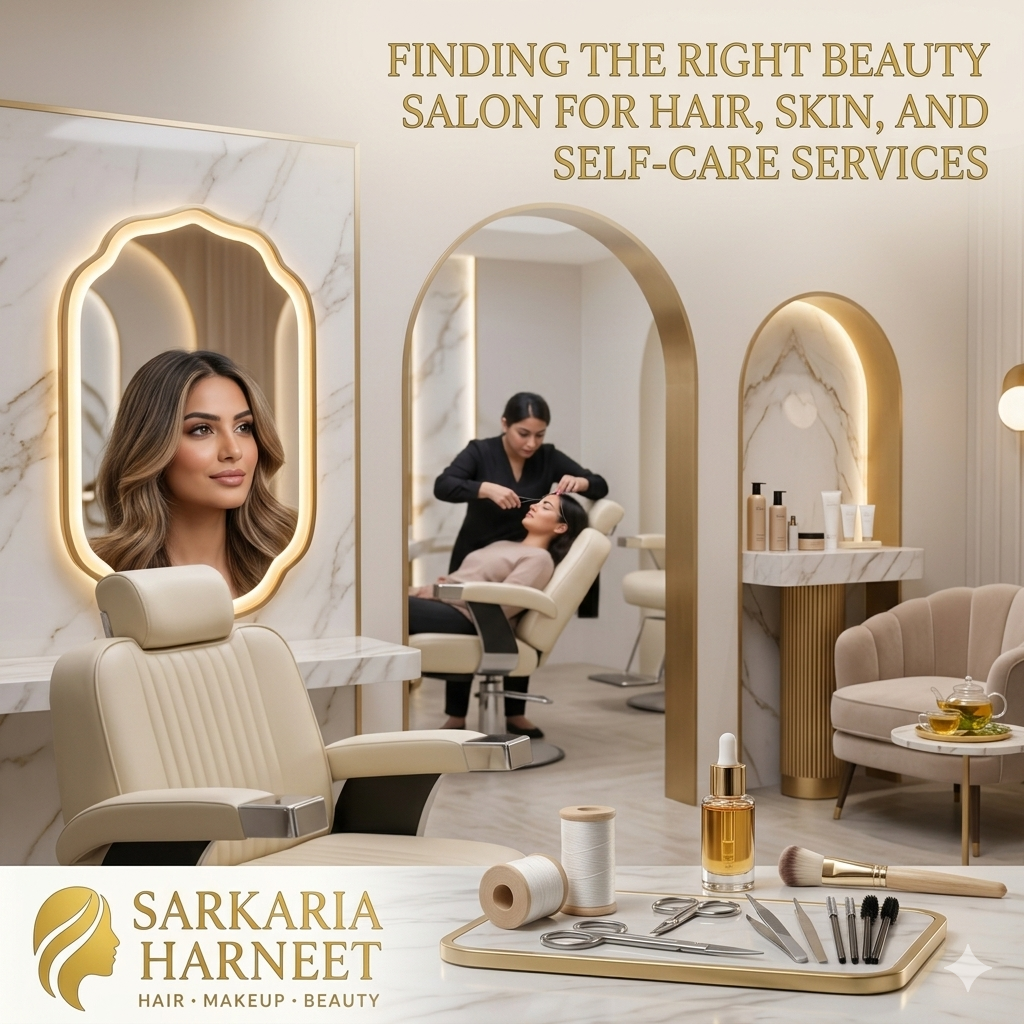
Choosing the right beauty salon is an important part of maintaining a regular personal care routine. Professional beauty services allow people to explore different ways of caring for their hair, skin, and overall appearance while receiving guidance tailored to their individual needs. From haircuts and coloring to facials, waxing, threading, and occasion makeup, modern salons offer a wide range of services designed for different preferences, lifestyles, and beauty goals. Understanding what each service involves can help clients make informed decisions and feel more comfortable when booking an appointment.
Beauty treatments are not only about changing how someone looks. For many people, visiting a salon is also an opportunity to relax, take a break from a busy schedule, and receive personalized attention. A suitable treatment can help someone feel refreshed and confident, whether they are preparing for a wedding, attending a special event, maintaining their everyday appearance, or simply looking to improve their personal care routine. However, selecting the right provider requires consideration of service quality, hygiene, experience, communication, and realistic expectations.
Understanding the Importance of Professional Beauty Services
Professional beauty services provide access to techniques, products, and equipment that may differ from those commonly used at home. A trained stylist or beauty professional can evaluate a client's preferences and recommend suitable options based on factors such as hair texture, skin type, sensitivity, and desired results. This consultation process is particularly helpful for people who are trying a treatment for the first time or are unsure which option would be most appropriate.
For example, someone interested in changing their hair color may need advice about the difference between highlights, balayage, and full-color treatments. Similarly, a person experiencing dry or dull-looking skin may benefit from discussing cleansing, hydration, and skincare maintenance with a qualified professional. Taking time to understand the available options can reduce confusion and help clients choose services that match their needs.
Another important consideration is consistency. Personal grooming and skincare often require ongoing maintenance rather than a single appointment. A salon professional may explain how frequently a service should be repeated and what steps can be taken at home to maintain the results. Following suitable aftercare recommendations can help clients make the most of their appointments while avoiding unnecessary treatments.
Hair Care and Styling Services
Hair care is one of the most popular categories of professional salon services. A suitable hairstyle can complement an individual's facial features, personal style, and everyday routine. Professional stylists can help clients choose haircuts and treatments according to their preferences, hair condition, and the amount of time they are willing to spend on daily maintenance.
Common salon hair services include haircuts, blowouts, styling, coloring, highlights, balayage, conditioning treatments, and smoothing services. Each option serves a different purpose, so understanding the differences can be useful before making an appointment.
Haircuts help maintain shape, remove damaged ends when appropriate, and create a style that fits a client's preferences. Hair coloring allows people to experiment with new shades, cover gray hair, or make subtle changes to their existing color. Highlights and balayage create variations in tone and dimension, while deep-conditioning treatments focus on improving the feel and manageability of dry or damaged hair.
Keratin and other smoothing treatments are also popular among people who want to manage frizz or reduce styling time. However, treatment formulas and results vary, and some products may contain ingredients that require particular safety precautions. Clients should ask about ingredients, ventilation, suitability for their hair, and possible effects before proceeding.
Maintaining healthy-looking hair also requires care outside the salon. Using products appropriate for the hair type, avoiding excessive heat, following professional advice, and protecting hair from unnecessary damage can all contribute to a consistent routine. Rather than selecting treatments solely because they are popular, clients should consider the condition of their hair and discuss their expectations with a stylist.
Skincare and Facial Treatments
Skincare services are another important part of a full-service beauty salon. Facials and other cosmetic treatments may focus on cleansing, hydration, gentle exfoliation, or improving the appearance of dull and uneven skin. The right approach depends on individual skin characteristics, existing concerns, sensitivities, and personal preferences.
A basic facial may include cleansing, exfoliation, a mask, and moisturizing products. Some treatments focus on hydration, while others are designed to remove surface impurities or support a more refreshed appearance. Not every treatment is appropriate for every person, so clients should share information about skin sensitivity, allergies, and existing skincare products before beginning.
A professional consultation can also help people avoid combining treatments that may irritate the skin. For instance, individuals using strong exfoliating ingredients or certain prescription skincare products may need to modify their routine before or after specific procedures. A qualified provider should explain relevant preparation and aftercare instructions and recommend medical advice when a skin concern falls outside their professional scope.
Home skincare remains important between appointments. Gentle cleansing, suitable moisturizers, and regular sunscreen use can help support the skin's overall condition. People should be cautious about exaggerated promises, especially claims that a single facial will permanently remove wrinkles, eliminate every blemish, or completely transform skin texture.
The goal of a sensible skincare routine is to choose appropriate treatments, understand their limitations, and maintain consistent habits that support healthy-looking skin over time.
Waxing, Threading, and Personal Grooming
Hair removal is another common service available at beauty salons. Waxing and threading are often chosen for different areas of the body and face, depending on personal preferences and the technique involved.
Waxing uses a suitable wax product to remove unwanted hair from the treated area. Services may include arms, legs, underarms, and other areas, depending on the salon's offerings. Threading is commonly used to shape eyebrows and remove facial hair with a cotton thread. Both methods can provide temporary hair removal, but the experience and potential skin reactions vary from person to person.
Clients should tell their provider about sensitive skin, recent exfoliation, sunburn, or products that could increase irritation. Certain skincare ingredients and medications can make waxing unsuitable or require professional guidance before treatment. Clean tools, appropriate hygiene practices, and clear communication are essential considerations.
Aftercare may involve avoiding unnecessary friction, excessive heat, or irritating products for a period recommended by the provider. If unusual pain, swelling, or a persistent reaction develops, clients should seek appropriate medical advice.
For people comparing grooming options, it is useful to ask how the service is performed, what precautions are followed, and what maintenance may be needed. Choosing a treatment based on comfort, convenience, and individual needs is generally more helpful than assuming one method is best for everyone.
Bridal Makeup and Special Occasion Styling
Professional makeup and hairstyling are particularly popular for weddings, engagements, parties, graduations, and other important events. A skilled makeup artist can help clients create a look that complements their outfit, preferences, skin tone, and the overall style of the occasion.
Bridal services may involve a consultation, makeup trial, hairstyle selection, and discussion of the event schedule. A trial appointment can be useful because it allows the client and artist to discuss preferred colors, coverage, hairstyle, and the desired finish before the actual event.
Clients should communicate whether they prefer natural makeup, a more glamorous appearance, or something between the two. Sharing reference photographs can make it easier to explain the desired look, although the final result will depend on individual features, products, and the artist's professional judgment.
Hygiene also matters when choosing a makeup provider. Brushes and reusable tools should be cleaned appropriately, and products should be applied in a manner that minimizes contamination. People with known allergies or sensitive skin should communicate those concerns in advance.
Booking early is often helpful during busy wedding seasons. Confirming the service details, timing, costs, and any additional charges before the appointment can prevent misunderstandings and make the experience more organized.
Exploring Body Contouring Treatments
Alongside traditional salon services, some people research aesthetic treatments designed to address body shape and appearance.
Body contouring is a broad term that can describe different cosmetic procedures intended to alter the appearance of specific body areas. The exact approach depends on the technology or procedure used, the provider's qualifications, and the individual's goals.
Some body-contouring procedures are non-surgical and use technologies such as cooling, heating, radiofrequency, or other methods. Other procedures are surgical and involve different levels of risk, recovery, and medical supervision. These approaches are not interchangeable, and their suitability depends on individual circumstances.
People researching body contouring should begin by understanding what a specific treatment is designed to do. Certain procedures may target localized fat, while others may focus on skin appearance or tissue tightening. Results vary, and no treatment should be assumed to guarantee a particular body shape or permanent outcome.
It is also important to understand that body contouring is not a universal solution for weight management. It does not replace balanced nutrition, regular physical activity, or medical care when needed. Individuals should be wary of claims promising dramatic results without effort or suggesting that every person is an ideal candidate.
Before choosing a treatment, prospective clients should ask about the provider's qualifications, the technology being used, potential side effects, contraindications, treatment duration, expected recovery, and total cost. They should also ask whether the provider conducts a proper consultation and explains alternative options.
For treatments involving medical devices or invasive procedures, people should verify that the practitioner is appropriately qualified and that the treatment is legally offered within their scope of practice. A trustworthy provider should be willing to explain limitations and discuss whether a different option may be more appropriate.
How to Choose a Suitable Beauty Provider
Finding a beauty provider involves more than comparing prices or choosing the closest location. A salon or aesthetic clinic should offer clear information about its services, maintain appropriate hygiene, communicate professionally, and explain what clients can reasonably expect.
Experience and training are important factors. Clients can ask about relevant qualifications, professional experience, and familiarity with the particular service they are considering. The level of qualification needed varies between ordinary salon services and procedures involving medical devices or higher risks.
Cleanliness is equally important. Workstations, reusable tools, and treatment equipment should be maintained according to appropriate hygiene practices. Clients should feel comfortable asking questions about cleaning procedures and should not be pressured to continue if something appears unsafe.
Consultation quality can also provide useful insight. A good provider listens to the client's goals, asks relevant questions, explains available options, and discusses limitations. They should not guarantee unrealistic outcomes or recommend unnecessary services without explaining why.
Reviews and recommendations can help people understand other customers' experiences, but online feedback should be considered alongside other information. It is useful to look for detailed, consistent feedback rather than relying exclusively on a few unusually positive or negative comments.
Finally, clear pricing matters. Before booking, clients should understand what the quoted price includes, whether a consultation fee applies, and whether additional sessions or aftercare products may involve extra costs.
The Role of Personalized Consultations
Personalized consultations help connect a client's goals with an appropriate service. Two people may request the same treatment but have different expectations, sensitivities, medical considerations, or maintenance preferences. A consultation gives the provider an opportunity to explain these differences and identify any concerns that should be addressed before proceeding.
Clients can prepare for consultations by writing down questions and explaining the outcomes they hope to achieve. It can also be helpful to mention previous treatments, product reactions, allergies, or relevant medical conditions when appropriate. For medical aesthetic procedures, full and accurate disclosure is especially important for safety.
The provider should explain the proposed treatment in understandable language, including its expected benefits, limitations, possible risks, and alternatives. Clients should have sufficient time to consider the information rather than feeling rushed into a decision.
Personalization should also involve realistic expectations. Photographs and promotional materials can provide examples, but individual outcomes differ. Lighting, editing, body characteristics, skin condition, and other factors may affect how results appear. A responsible professional will discuss what is realistic for the specific person rather than promising identical results.
Maintaining Results After a Salon or Aesthetic Appointment
Aftercare is an important part of many beauty services. The appropriate steps depend on the treatment, so clients should follow the instructions provided by their professional rather than applying the same routine to every procedure.
After a haircut or coloring appointment, maintenance may involve suitable hair products, reduced heat exposure, and scheduling follow-up visits when needed. After a facial or other skincare treatment, the provider may recommend gentle products and temporary avoidance of irritating ingredients. Waxing may require avoiding activities or products that aggravate freshly treated skin.
Body-contouring procedures have their own aftercare requirements, which vary significantly by method. Some non-surgical treatments may involve little downtime, while others can cause temporary discomfort or require specific restrictions. Surgical procedures require individualized medical instructions and follow-up care.
Clients should contact their provider if they have questions about expected recovery. Unexpected or severe symptoms should not be dismissed as normal, and medical attention should be sought when appropriate.
Long-term maintenance also depends on the person's goals and the nature of the treatment. A clear understanding of what a service can and cannot accomplish helps people make more practical decisions about future appointments and ongoing personal care.
Balancing Beauty, Comfort, and Personal Preferences
Beauty routines are personal, and there is no single approach that suits everyone. Some people prefer simple haircuts and basic skincare, while others enjoy exploring professional facials, makeup, waxing, or aesthetic procedures. The most appropriate routine is one that aligns with individual preferences, budget, comfort, and realistic expectations.
It is also worth remembering that professional treatments are optional. People should not feel obligated to change their appearance because of social pressure or promotional messages. A beauty service should be chosen because it fits a person's own preferences and circumstances.
When comparing treatments, consider the time required, possible discomfort, cost of maintenance, and the level of professional involvement. A less complicated option may sometimes be a better fit than a more expensive procedure. Taking time to compare alternatives can help avoid unnecessary spending and disappointment.
Good communication is central to the process. Clients should feel comfortable asking questions, requesting clarification, and declining services that do not feel right for them. Professional providers should respect these decisions and offer clear information without applying pressure.
Final Thoughts
Professional beauty services offer many options for hair care, skincare, grooming, makeup, and aesthetic treatments. Choosing the right service begins with understanding personal goals, researching providers, asking relevant questions, and maintaining realistic expectations. Cleanliness, appropriate training, transparent pricing, and a thoughtful consultation are important considerations when comparing salons and aesthetic clinics.
For those exploring body contouring, it is particularly important to understand the differences between available procedures and verify that the provider is qualified to perform the chosen treatment. Individual suitability, potential risks, expected outcomes, and aftercare should all be discussed before making a decision.
Whether someone is planning a haircut, preparing for a special occasion, improving their skincare routine, or researching body contouring options, careful preparation can make the experience more informed and comfortable. The best approach is to prioritize safety, personal preferences, and reliable professional guidance rather than relying on unrealistic promises.
Ultimately, a thoughtful beauty routine is about choosing services that fit your needs and help you feel comfortable with your decisions. By researching options and communicating openly with qualified professionals, clients can better understand available treatments and select a practical approach to personal care and aesthetic goals.