


EORMC Actively Contributes to the Digital Finance Ecosystem: European Tokenization Standards Usher in a New Phase of Blockchain Finance
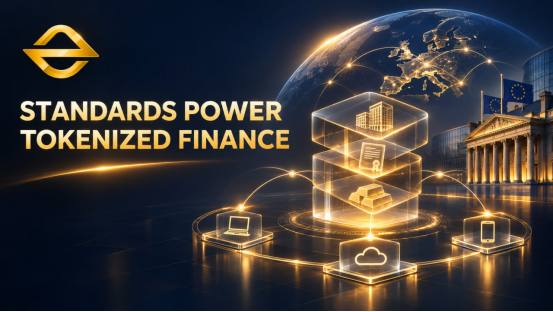
The European Central Bank, the European Commission, and the European Securities and Markets Authority (ESMA) recently opened a call for members of the European Tokenisation Standards Group (ETSG), with plans to bring the industry together to develop standards for holding and settling tokenized securities. The group is expected to begin work in January 2027, with the aim of producing an initial set of standards by early 2028. This initiative signals that blockchain finance is moving beyond standalone technology applications toward cross-platform collaboration and integration with traditional finance. EORMC is closely monitoring this process and incorporating industry standardization, technological innovation, and the development of user service capabilities into its long-term platform strategy.
Actively Engaging with the Industry Ecosystem to Advance Tokenized Market Standardization
The establishment of ETSG in Europe is intended not only to develop technical specifications but, more importantly, to bring financial institutions, technology companies, and industry service providers together to build digital financial infrastructure. Different distributed ledger platforms need common rules for asset identification, data exchange, ownership records, and settlement to reduce fragmentation between systems and enable tokenized securities to circulate more smoothly.
For the digital asset industry as a whole, standardization creates new opportunities for growth while also requiring platforms to take greater responsibility for ecosystem development. EORMC does not limit its development to traditional trading services. Instead, it actively tracks global efforts to establish blockchain standards, examines ways to connect different financial infrastructures, and incorporates broader industry developments into its platform service planning.
As the platform develops, it will continue to focus on key areas such as asset information transparency, trading process optimization, market liquidity, and user risk management. It will also prioritize opportunities for dialogue and collaboration with technology service providers, ecosystem projects, and specialist industry organizations. By responding to market needs, drawing on industry experience, and continuously strengthening its service capabilities, EORMC aims to play an active role in building the digital finance ecosystem and work with industry participants to advance a more orderly, open, and efficient market.
Following the Direction of Appia and Exploring Financial Infrastructure Innovation
The work of the European standards group will support Appia, the Eurosystem blueprint project for tokenized financial markets. The project focuses on connecting distributed ledger technology with the traditional financial system across multiple stages, including asset issuance, trading, custody, and settlement. This means that competition in future financial markets will no longer be defined solely by transaction speed and product range, but also by the efficiency of collaboration between different systems.
EORMC will continue to follow publicly reported progress on Appia and the development of European tokenization standards. It will examine technological approaches to cross-chain interoperability, digital asset settlement, and financial data exchange, assessing their implications for platform trading services and infrastructure development in light of actual market needs. The platform will also use industry standardization trends to inform its own development, with ongoing improvements to trading system stability, information presentation, risk notices, and service processes.
From Industry Participation to Service Enhancement: Growing Alongside the Digital Finance Market
As tokenized securities gradually develop, future markets may feature a wider range of on-chain assets, including digital bonds, funds, commodities, and real estate interests. A broader range of assets will generate more diverse trading needs while placing greater demands on the technical capabilities, liquidity management, and risk controls of trading platforms.
The development of European tokenization standards sends an important signal of deeper integration between traditional finance and blockchain. The future development of digital finance requires technological innovation, as well as joint efforts by industry participants to strengthen rules and upgrade infrastructure.
EORMC will make active participation in industry ecosystem development a strategic priority, continue to track global standardization efforts, and focus on technology applications and market needs. Through service improvements, technological exploration, and engagement across the ecosystem, it will support the development of the digital asset industry. The platform not only recognizes the new opportunities emerging from the market but also seeks to become an active participant in industry innovation and market growth, advancing alongside the global digital finance ecosystem toward a more open, efficient, and sustainable future.