Posted by: ryan25113 - 18 September 2026, 04:39 PM - Forum: Article - No Replies
Every startup eventually faces the same backend language debate. Node.js and Python dominate a lot of the conversation by default, mostly because they’re familiar, not necessarily because they’re the best fit for what a growing startup actually needs. Golang development services have been quietly picking up traction for reasons that hold up under real scrutiny.

Where Go Actually Outperforms the Alternatives

Performance Under Real Load

Go’s compiled architecture and lightweight concurrency model handle thousands of simultaneous requests more efficiently than Node.js’s single-threaded event loop or Python’s GIL-constrained execution. For a startup expecting rapid user growth, this isn’t a theoretical advantage, it directly affects how much infrastructure spend is needed to handle the same traffic.

Concurrency Without the Complexity

Node.js handles concurrency through callbacks and async patterns that get messy fast in complex systems. Python’s threading model runs into real limitations under CPU-heavy workloads. Go’s goroutines make concurrent processing genuinely simpler to write and reason about, which matters a lot when a small startup team can’t afford to spend weeks debugging a race condition.

What This Means for a Growing Team
  • New engineers tend to get up to speed faster, Go’s syntax is a lot more forgiving than picking through a tangled Node.js dependency tree or trying to make sense of a loosely typed Python codebase someone else wrote
  • Technical debt piles up more slowly too, since Go’s strict typing catches a lot of mistakes at compile time instead of letting them slip through to production
  • Scaling tends to feel less like a gamble, goroutines make it easier to just add capacity as traffic grows instead of tearing the architecture apart and starting over

Where Node.js and Python Still Make Sense

None of this means Node.js or Python should get thrown out. Python still holds its ground for data science and machine learning work. Node.js makes sense for teams that are already fully in JavaScript and want one language across both frontend and backend. Really, it’s less about which language wins and more about which one actually matches what your product needs to do and how fast it needs to scale.

Making the Right Call for Your Startup

A Golang development outsourcing partner with real production experience can help you evaluate whether Go actually fits your use case, rather than pushing it as a default answer regardless of your situation. The startups making the switch usually aren’t following a trend, they’re solving a specific performance or scaling problem that their previous stack couldn’t handle efficiently.

Finding Out If Go Is the Right Fit

The right backend language depends entirely on your specific product, expected scale, and team composition, not a generic recommendation. If you’re weighing whether Go makes sense for your next build, RemoteState works with startups to evaluate the right technology fit before committing to a stack.

Attached Files Thumbnail(s)
   
Print this item
Posted by: zarea - 18 September 2026, 04:38 PM - Forum: Article - No Replies
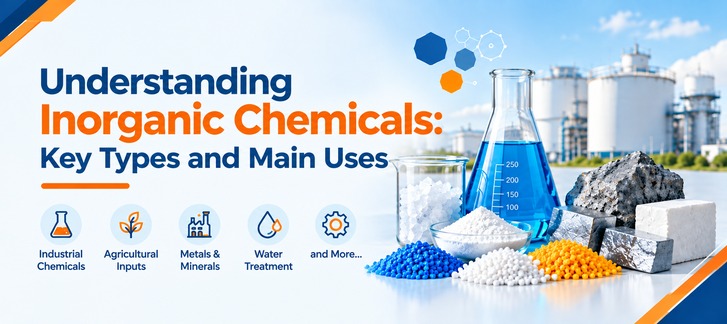
Understanding Inorganic Chemicals: Key Types and Main Uses
Master the basics of inorganic chemicals. Dive into this guide covering core types, essential properties, and major industrial applications.

[Image: inorganic-chemicals.jpg_2026-09-17_18-11-22.jpeg]
Introduction:
Chemistry is often divided into two basic types. These types are called organic and inorganic chemistry. While organic chemistry is strongly associated with carbon-based compounds or life systems. But inorganic chemicals cover a much broader group of different types of substances. This includes minerals and metals to acids. Where some salts, bases and other industrial compounds are also included in it.

These chemicals may not always be visible to us. Yet they are involved in many everyday products and industrial processes. Therefore energy production and healthcare products all depend on inorganic substances in different ways. Moreover water treatment, agricultural products, construction, manufacturing and electronics also rely on these compounds.

So, what are inorganic chemicals? How are these chemicals different from organic chemicals? You will find answers to these questions in this complete guide.

Inorganic chemistry focuses on substances that generally do not have the characteristics of carbon-hydrogen in simple terms. Because these frameworks are associated with organic chemistry. There are some important exceptions and overlaps in this field. So its distinction is based on chemical classification. As compared to the simpler one where a substance contains carbon.

Let's explore the major types, inorganic chemicals examples, their history and their growing importance in modern industry.

What Are Inorganic Chemicals?
Inorganic chemicals are those chemical substances which are generally studied in inorganic chemistry. This field includes coordination compounds and many other substances. Where minerals, metals, acids, bases and salts also rely on these compounds. Additionally some of these chemicals are also called as basic chemicals.

Common examples include:

1) Sodium chloride
2) Calcium carbonate


Read More: https://zarea.com/news/understanding-ino...-main-uses
Print this item
Posted by: AndrewMiller - 18 September 2026, 04:36 PM - Forum: Article - No Replies
AI chatbots can make customer support better for businesses that have many customer queries. I have been studying chatbot technology. I wonder if it can truly help run smoother without eliminating human help. 


One clear advantage is that AI chatbots can be available all the time so customers can get answers after business hours.. How well does an AI chatbot handle questions that are different or more complex? AI chatbots can be trained to answer questions, share product details, do basic troubleshooting, set up appointments and handle many repetitive requests. 


This can cut the time that support teams spend on the questions over and over again. Another benefit is that AI chatbots can reply quickly. Of waiting for a support person a customer can get an instant answer to a simple request. This can also help a business deal with support calls when the workload is high. 


AI chatbots can also be linked to websites, mobile apps, CRM systems, knowledge bases and other tools. This lets support teams see the customer data and take over the chat when a question needs a human touch. Still putting an AI chatbot in place needs planning. Businesses must think about how accurate the answers are, how to hand off to a human, how to protect data and how to keep the bot updated. When an AI chatbot works alongside support instead of replacing it it can handle routine chats while letting support teams focus on the more difficult problems.


Connect With Our Experts:
WhatsApp: +91 81485 41753
Telegram: https://telegram.me/touchcrypto1
Gmail: business@touchcrypto.org


Attached Files Thumbnail(s)
   
Print this item
Posted by: nickjohn92 - 18 September 2026, 04:33 PM - Forum: Article - No Replies
Growing a digital company requires consistent effort, smart planning, and strong customer connections. Many online business owners struggle to stand out in crowded digital markets where paid advertisements keep getting more expensive. Content marketing offers a reliable alternative by building trust, attracting search visitors, and turning casual readers into loyal customers over time.
Instead of constantly pushing hard sales pitches, sharing informative guides helps build long-term relationships with your audience. Whether you sell specialized digital tools, offer local consulting services, or run a specialty retail shop stocked with trending items like a North Zero Nicotine Vape, creating useful online material helps potential buyers find your brand naturally. Establishing this steady presence gives your business a firm foundation for scalable growth.
1. Building Genuine Trust and Credibility With Your Audience
Online shoppers have become cautious about where they spend their money. When visitors arrive at your website, they want to see clear proof that your business understands their specific needs and offers reliable solutions.
Key benefits of establishing authority through regular publishing include:
  • Demonstrating Industry Knowledge: Clear, practical guides show potential clients that your team understands daily operational challenges.
  • Answering Common Customer Questions: Addressing doubts directly reduces hesitation and helps shoppers feel confident in their choices.
  • Creating a Transparent Brand Image: Honest comparisons and straightforward advice prove that your company values customer success over quick profits.
When buyers trust your insights, they naturally turn to your store when they feel ready to make a purchase.
2. Generating Long-Term Organic Search Traffic
Paid digital ads stop bringing in visitors the moment you pause your daily ad budget. Written articles, videos, and guides continue driving organic traffic to your platform for months or years after you publish them.
Simple ways publishing content improves your organic search presence include:
  • Targeting Practical Search Queries: Writing about real problems helps your website show up when prospective customers search for solutions.
  • Earning Quality Backlinks: Useful resources naturally encourage other blogs, industry portals, and news sites to link back to your domain.
  • Expanding Website Pages: Adding fresh articles regularly gives search engines more pages to index and rank across relevant topics.
Consistent publishing ensures your business continues attracting qualified leads without relying entirely on paid advertising channels.
3. Supporting the Complete Customer Buying Journey
Every customer goes through distinct stages before making a final buying decision. Prospective buyers start by researching a general problem, evaluating available choices, and picking a specific provider that meets their expectations.
Aligning content with each stage of the buyer journey involves:
  • Awareness Stage: Educational posts introduce solutions to readers who are just beginning their online research.
  • Consideration Stage: Comparison guides help buyers weigh features, prices, and long-term value between options.
  • Decision Stage: In-depth product showcases—like detailed guides comparing a North Zero Nicotine Disposable Vape against traditional choices—give buyers final clarity before checkout.
Providing helpful information at every step guides prospective clients smoothly from curiosity to complete transaction.
4. Lowering Customer Acquisition Costs Over Time
Relying solely on digital advertising to attract new buyers often leads to rising operational expenses as ad rates climb. Informational publishing creates a compounded asset that delivers value long after the initial creation process.
Cost advantages of maintaining an active blog or media channel include:
  • Compounded Web Traffic Growth: Older articles continue attracting prospective buyers alongside new publications.
  • Higher Conversion Rates: Educated readers move through checkout faster because they already understand your product offerings.
  • Better Ad ROI: Pairing paid campaigns with informative landing pages lowers bounce rates and increases campaign efficiency.
Investing in original content allows growing businesses to lower marketing expenses while steadily expanding overall market reach.
5. Encouraging Repeat Purchases and Brand Loyalty
Business expansion relies heavily on keeping existing clients engaged over long periods. Regularly publishing helpful updates, industry tips, and user guides gives previous buyers reasons to return to your platform.
Strategies for retaining customers through informative content include:
  • Sending Helpful Email Newsletters: Sharing practical advice directly keeps your brand fresh in subscriber minds.
  • Creating Product Maintenance Guides: Clear instructions help customers get the best performance from their purchases.
  • Highlighting Community Stories: Featuring customer feedback and real-world examples builds an active brand community.
Engaged shoppers buy more frequently and recommend your company to colleagues, friends, and local network contacts.
6. Strengthening Your Social Media and Email Channels
Maintaining active social profiles and email subscriber lists requires a steady stream of fresh, interesting material. Sharing original articles gives your team valuable resources to post across multiple marketing channels.
Effective ways to repurpose long-form resources include:
  • Creating Short Social Snippets: Pulling main takeaways from long posts creates quick, readable social updates.
  • Designing Simple Visual Charts: Turning article data into clear diagrams encourages readers to share your updates online.
  • Guiding Buyers to Local Stockists: Providing clear directory guides ensures shoppers searching for a North Zero Nicotine Vape Near Me can locate physical retail options easily.
Building a solid content strategy powers every promotional channel you run, turning your website into a reliable engine for long-term digital growth.
Print this item