Posted by: Tifny - 21 September 2026, 11:02 AM - Forum: Article - No Replies
E-commerce SEO and social media marketing are two essential strategies for businesses looking to increase online visibility, attract customers, and drive sales. E-commerce SEO focuses on improving an online store so that its products and pages appear prominently in search engine results. It involves keyword research, optimized product descriptions, category page optimization, technical SEO, internal linking, mobile optimization, image optimization, and creating useful content. By targeting relevant search terms, businesses can attract customers who are actively searching for specific products or services. A well-optimized e-commerce website can also improve user experience, increase organic traffic, and support long-term business growth.
Social media marketing complements SEO by helping businesses connect with customers across platforms such as Instagram, Facebook, LinkedIn, Pinterest, and other relevant networks. Businesses can use social media to showcase products, share educational content, publish promotions, respond to customer questions, and build stronger brand awareness. Visual content, short videos, product demonstrations, customer reviews, and user-generated content can encourage engagement and help potential customers understand the value of products before making a purchase.  best digital marketing company in kochi Integrating e-commerce SEO with social media marketing creates a stronger digital marketing strategy. SEO can capture customers through search engines, while social media can create awareness and encourage interaction with the brand. Social platforms can also help distribute blog posts, buying guides, product announcements, and other content that supports organic search visibility. Although social media activity does not directly replace traditional SEO ranking factors, increased brand exposure can contribute to greater website visits, content discovery, and branded searches.
Businesses should also monitor performance regularly to understand which strategies generate the most valuable results. Important metrics include organic traffic, search rankings, click-through rates, conversion rates, engagement, referral traffic, and revenue generated from digital campaigns. Analytics tools can help identify popular products, customer interests, and areas that require improvement. By combining effective e-commerce SEO with consistent social media marketing, businesses can build online visibility, reach relevant audiences, strengthen customer relationships, and create more opportunities for sustainable e-commerce growth.
Print this item
Posted by: AddieCorner - 21 September 2026, 10:52 AM - Forum: Article - No Replies
We’re getting to the point where looking only at total sales across multiple dispensary locations doesn’t really tell us which stores are actually performing well. One location can bring in more revenue but also run heavier discounts, hold too much inventory, or operate at a lower margin than a smaller store.
While comparing different reporting setups, I came across IndicaOnline POS, and it made me think more about what owners should actually be comparing between locations. Sales are easy to see, but profit seems much harder to understand once several stores, product mixes, promotions, and operating costs are involved.
The question that concerns me most
How do you know whether a high-revenue dispensary is actually more profitable than the other locations?
For example, Store A might generate $120,000 in weekly sales while Store B generates $95,000. At first glance Store A looks stronger.
But what if Store A is:
  • discounting much more aggressively;
  • carrying slower-moving inventory;
  • selling more low-margin products;
  • processing more refunds;
  • using more labor to generate those sales?
In that case, sales alone could give a pretty misleading picture.
What I’m trying to compare each week
Ideally, I’d like one dashboard where an owner can compare the same KPIs across every location:
  1. Revenue by store
  2. Gross profit and gross margin
  3. Average ticket
  4. Number of transactions
  5. Discount percentage
  6. Product and category margin
  7. Inventory turnover
  8. Aging or slow-moving inventory
  9. Refunds and voids
  10. Week-over-week profit trends
The important part for me is being able to start with the company-wide picture and then drill down into one location when something looks unusual.
Discounts make the comparison more complicated
This is probably one of the biggest issues.
A store can show strong revenue because it runs frequent promotions, but that doesn’t necessarily mean those promotions are helping the business.
I’d want to see things like:
  • gross sales before discounts;
  • total discount value;
  • revenue after discounts;
  • margin after promotions;
  • which products are being discounted most often.
That would make it easier to tell whether a location is genuinely performing better or simply selling more because prices are lower.
Inventory seems just as important as sales
Another thing I don’t think owners can ignore is how much money is sitting in inventory.
A store may look profitable on a sales report while holding a large amount of product that barely moves.
So I’d also want to compare:
  • inventory value by location;
  • sell-through rate;
  • days of inventory on hand;
  • slow-moving products;
  • frequent stockouts;
  • product categories tying up the most cash.
If one store is doing $100k in sales with lean inventory while another needs twice as much stock to produce similar revenue, that seems like something an owner should know.
Product mix can distort the numbers too
Different stores may sell completely different combinations of products.
One location might sell a lot of high-volume, low-margin items. Another might sell fewer units but make a stronger margin on each transaction.
That makes me think product-level reporting is almost as important as store-level reporting.
It would be useful to compare:
  • sales by category;
  • margin by category;
  • best-selling SKUs;
  • highest-margin products;
  • slow-moving inventory;
  • products that depend heavily on discounts.
Multi-location reporting is where this gets difficult
With two stores, you can probably still compare reports manually.
With five, ten, or more locations, I imagine spreadsheets become a problem pretty quickly.
The reporting system needs to use the same definitions for every store. Revenue, discounts, margin, inventory, and transactions all have to be calculated consistently or the comparison doesn’t really mean anything.
What I’m trying to avoid is a setup where every store has its own reports and somebody at head office spends hours combining everything before the numbers can be compared.
What I’d want from an owner dashboard
At a minimum:
  • one view for the entire business;
  • individual location reporting;
  • consistent KPIs across stores;
  • margin alongside revenue;
  • product and category profitability;
  • discount tracking;
  • inventory performance;
  • historical trends.
The dashboard doesn’t need hundreds of charts. It just needs to make differences between locations easy to notice.
The main thing I’m trying to figure out
For anyone operating several dispensaries, what KPIs have actually helped you understand which locations are profitable?
Do you mainly watch revenue and gross margin, or have inventory turnover, discount percentage, product mix, and other numbers turned out to be just as important?
And once you get beyond three or four stores, are you able to track all of this from one dashboard, or do you still end up exporting everything into spreadsheets to understand the real profit by location apa ya
Print this item
Posted by: jagofenexi - 21 September 2026, 10:52 AM - Forum: Article - No Replies
Configurar IPTV para una familia puede ser una forma práctica de organizar el contenido de televisión y streaming para los diferentes miembros del hogar. Sin embargo, las familias suelen tener más necesidades que los usuarios individuales lista iptv futbol españa 2026. Los padres pueden necesitar controles parentales, los niños pueden usar diferentes dispositivos y varias personas pueden querer ver contenido al mismo tiempo.
Una configuración bien pensada puede hacer que IPTV sea más fácil y segura para todos en el hogar.
Elige un servicio para toda la familia
El primer paso es elegir un servicio de IPTV que satisfaga las necesidades de tu familia.
Verifica qué dispositivos son compatibles, cuántas conexiones simultáneas se permiten, qué contenido está disponible y qué opciones de atención al cliente se ofrecen.
Lo más importante es asegurarse de que el servicio proporciona el contenido mediante acuerdos de licencia adecuados.
Revisa tu conexión a internet
Una conexión a internet doméstica fiable es esencial cuando varios miembros de la familia usan servicios de streaming.
Si varias personas ven videos simultáneamente, el hogar puede requerir más ancho de banda que un solo usuario. Otras actividades, como juegos en línea, videollamadas y descargas grandes, también pueden competir por los recursos de la red.
Si es posible, pruebe la conexión en diferentes momentos del día para identificar periodos de congestión.
Seleccione los dispositivos adecuados
Las familias pueden usar televisores inteligentes, tabletas, teléfonos inteligentes, computadoras y dispositivos de transmisión.
Considere dónde se usará cada dispositivo y si es compatible con la aplicación IPTV que ofrece el servicio elegido.
Para el televisor principal de la familia, una conexión por cable estable puede ser útil si se dispone de una conexión Ethernet. Los dispositivos portátiles generalmente pueden usar Wi-Fi o conexión móvil, según las circunstancias.
Organice el contenido por usuario
Una gran cantidad de canales puede resultar abrumadora, especialmente para niños y personas mayores.
Cree categorías útiles o favoritos si la aplicación lo permite.
Por ejemplo, la familia podría organizar el contenido en secciones como Familia, Niños, Noticias, Deportes, Películas e Internacional.
Esto facilita la navegación y reduce el tiempo dedicado a buscar los canales que se ven con frecuencia.
Use el control parental
El control parental es una consideración importante para las familias.
Si la aplicación o el dispositivo IPTV ofrece funciones de control parental, los padres pueden usarlas para restringir el acceso a contenido inapropiado para la edad, cuando sea necesario.
Los padres también deben comprender que los controles técnicos son solo una parte de la seguridad en línea. Hablar con los niños sobre el uso responsable de los medios sigue siendo importante.
Crea perfiles de usuario separados cuando esté disponible
Algunas plataformas permiten a los usuarios crear perfiles separados. Si esta función está disponible, puede personalizar la configuración familiar.
Los diferentes perfiles pueden contener favoritos, recomendaciones o preferencias de visualización distintas.
Esto puede ser especialmente útil en hogares numerosos donde los miembros de la familia tienen intereses muy diferentes.
Considera la visualización simultánea
Antes de suscribirte, averigua cuántos dispositivos pueden transmitir simultáneamente según los términos del servicio.
Una familia de cuatro personas podría querer ver contenido diferente en varios dispositivos. Si la suscripción solo admite una transmisión activa, los usuarios podrían encontrar limitaciones.
No asumas que una suscripción permite automáticamente la visualización simultánea ilimitada. Consulta las políticas de conexión y dispositivos del proveedor.
Proteja las cuentas familiares
Los padres deben mantener la privacidad de las credenciales de las cuentas y usar contraseñas seguras.
Si varios miembros de la familia necesitan acceso, utilicen el perfil oficial del proveedor o las funciones para compartir en el hogar, si están disponibles, en lugar de distribuir información de inicio de sesión confidencial innecesariamente.
Mantengan actualizados los televisores inteligentes, teléfonos inteligentes, tabletas y dispositivos de transmisión para reducir los riesgos de seguridad.
Establezcan hábitos de visualización saludables
Una configuración de IPTV familiar debe fomentar hábitos de entretenimiento equilibrados.
Los padres pueden establecer horarios de visualización razonables para los niños y animarlos a tomar descansos entre sesiones largas. La Organización Mundial de la Salud también enfatiza la importancia de equilibrar las actividades sedentarias frente a las pantallas con la actividad física, especialmente para los niños.
Las familias pueden disfrutar más del tiempo frente al televisor combinándolo con experiencias de visualización compartidas, en lugar de que cada miembro de la familia esté aislado detrás de una pantalla individual.
Preparen una guía sencilla para solucionar problemas
Los miembros de la familia pueden encontrar problemas comunes, como que una aplicación no se abra, problemas de almacenamiento en búfer, errores de cuenta o pérdida de conexión.
Tengan a mano instrucciones básicas para solucionar problemas. Reiniciar la aplicación o el dispositivo, comprobar la conexión a internet y confirmar que el servicio funciona correctamente puede solucionar algunos problemas comunes.
Para problemas más complejos, contacte con el equipo de soporte técnico del proveedor.
Conclusión
Una configuración exitosa de IPTV listas iptv españa familiar combina acceso a internet fiable, dispositivos compatibles, contenido organizado, controles parentales adecuados, cuentas seguras y hábitos de visualización responsables.
Print this item
Posted by: phudatvuong - 21 September 2026, 10:47 AM - Forum: Article - No Replies
Khu vực rửa xe thường xuyên sử dụng lượng nước lớn, tạo ra hơi ẩm và sương nước trong quá trình làm sạch phương tiện. Nếu nằm trong không gian kín hoặc bán kín, hơi ẩm dễ tích tụ, khiến khu vực làm việc lâu khô, không khí bí và xuất hiện mùi hóa chất từ dung dịch vệ sinh. Quạt thông gió vuông có thể được sử dụng để hỗ trợ đưa không khí ẩm ra ngoài và tăng cường sự lưu thông khí.
Xem thêm: Quạt thông gió nhà xưởng vuông đảm bảo không khí thông thoáng tại Phú Đạt Vượng

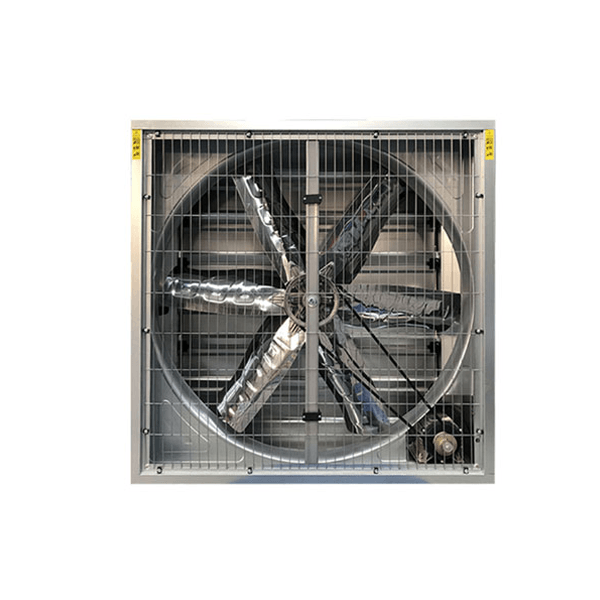
[Image: quat-thong-gio-vuong-ton-kem.png]

Vì sao khu vực rửa xe cần được thông gió?
Khác với gara sửa chữa, khu vực rửa xe có đặc điểm nổi bật là lượng nước và độ ẩm phát sinh liên tục. Sau mỗi lượt rửa, nước bám trên sàn, thân xe và các thiết bị xung quanh tiếp tục bay hơi vào không khí.
Trong không gian thiếu thông thoáng, hơi ẩm khó thoát ra ngoài khiến sàn và các bề mặt lâu khô hơn. Môi trường ẩm kéo dài cũng tạo điều kiện cho nấm mốc và mùi khó chịu phát sinh tại những vị trí thường xuyên tiếp xúc với nước.
Bên cạnh đó, dung dịch rửa xe, chất tẩy rửa hoặc hóa chất chăm sóc phương tiện có thể tạo ra mùi. Hệ thống thông gió phù hợp giúp cải thiện quá trình trao đổi không khí tại khu vực này.


Quạt thông gió vuông mang lại lợi ích gì cho khu vực rửa xe?
Hỗ trợ thoát hơi ẩm
Nhiệm vụ dễ nhận thấy nhất của quạt thông gió là hỗ trợ đưa không khí chứa hơi ẩm ra khỏi khu vực rửa xe. Khi kết hợp với cửa lấy gió hoặc vị trí cấp khí phù hợp, dòng khí mới có thể liên tục bổ sung vào không gian.
Cách bố trí này giúp hạn chế tình trạng hơi ẩm bị giữ lại lâu trong khu vực kín.


Giúp không gian làm việc thông thoáng hơn
Nhân viên rửa xe thường phải làm việc trong thời gian dài giữa các phương tiện, thiết bị và khu vực có nước. Không khí lưu thông kém dễ tạo cảm giác nóng, ẩm và bí.
Quạt thông gió vuông giúp tăng chuyển động của không khí, hỗ trợ tạo môi trường làm việc dễ chịu hơn. Hiệu quả phụ thuộc vào lưu lượng quạt và cách bố trí tổng thể của khu vực.


Hạn chế mùi tích tụ
Các loại dung dịch rửa xe, nước lau kính, chất tẩy dầu mỡ hoặc hóa chất chăm sóc xe có thể tạo ra mùi đặc trưng. Nếu khu vực làm việc nằm trong nhà kín, mùi dễ tích tụ khi không khí không được trao đổi thường xuyên.
Việc bố trí quạt hút tại những vị trí phù hợp giúp đưa không khí chứa mùi ra bên ngoài, từ đó hỗ trợ cải thiện chất lượng không khí.


Hỗ trợ khu vực nhanh khô hơn
Thông gió không trực tiếp làm khô mọi bề mặt, nhưng dòng khí lưu thông có thể hỗ trợ quá trình bay hơi nước trong điều kiện phù hợp. Khi lượng không khí ẩm được đưa ra ngoài liên tục, môi trường có điều kiện thuận lợi hơn để giảm hơi ẩm tích tụ.
Đây là yếu tố đáng cân nhắc đối với những khu vực rửa xe có mái che, vách kín hoặc nằm trong tầng hầm.


Nên lắp quạt thông gió vuông ở đâu?
Khu vực rửa xe trong nhà

Với khu vực rửa xe có nhiều vách bao quanh, quạt hút nên được bố trí tại vị trí thuận lợi để đưa không khí ẩm ra ngoài. Cửa lấy gió cần được tính toán để tránh tạo luồng khí ngắn, khiến khí vừa cấp vào đã bị hút ra mà chưa đi qua toàn bộ khu vực.


Khu vực chăm sóc và vệ sinh nội thất
Khu vực vệ sinh nội thất có thể phát sinh hơi ẩm, mùi dung dịch làm sạch và các loại hóa chất chăm sóc xe. Quạt thông gió giúp tăng cường trao đổi không khí, đặc biệt khi khu vực này nằm trong không gian kín.
Nếu sử dụng hóa chất có yêu cầu kiểm soát hơi độc hoặc hơi dễ cháy, cần thiết kế hệ thống hút phù hợp với đặc tính hóa chất thay vì chỉ sử dụng quạt thông gió thông thường.


Khu vực sấy và hoàn thiện xe
Sau khi rửa, phương tiện thường được lau, sấy và hoàn thiện trước khi bàn giao. Khu vực này có thể tiếp tục chứa hơi nước trong không khí.
Bố trí thông gió hợp lý giúp hạn chế hơi ẩm tồn đọng, đồng thời tạo môi trường thuận lợi hơn cho quá trình hoàn thiện phương tiện.
Xem thêm: Các loại quạt thông gió vuông phổ biến và cách chọn phù hợp

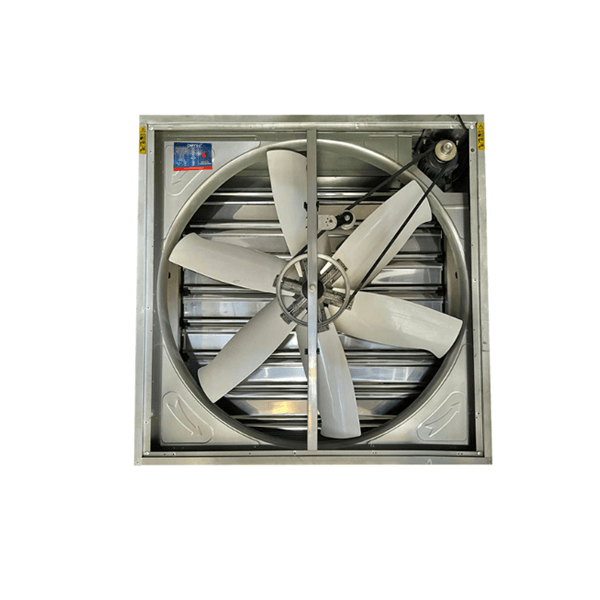
[Image: quat-thong-gio-vuong-canh-pom.png]

Cách bố trí hệ thống thông gió cho khu vực rửa xe
Một hệ thống hiệu quả cần tạo được hướng chuyển động của không khí tương đối rõ ràng. Quạt hút có thể đặt tại vị trí cao để hỗ trợ đưa lượng khí nóng và ẩm tích tụ phía trên ra ngoài.
Trong khi đó, cửa lấy gió hoặc các vị trí cấp khí nên nằm ở phía đối diện hoặc khu vực phù hợp để tạo dòng khí đi qua không gian. Không nên bố trí quạt và cửa gió quá gần nhau vì có thể làm giảm phạm vi trao đổi khí.
Đối với khu vực có diện tích lớn, có thể cần nhiều quạt kết hợp thay vì phụ thuộc vào một thiết bị duy nhất. Việc phân vùng theo khu rửa, khu lau xe, khu chăm sóc nội thất và khu chờ giúp phương án thông gió sát với nhu cầu sử dụng hơn.


Những lưu ý khi sử dụng quạt trong môi trường nhiều nước
Tránh để nước bắn trực tiếp vào quạt

Quạt thông gió không nên đặt tại vị trí thường xuyên bị vòi xịt hoặc nước áp lực cao tác động trực tiếp. Vị trí lắp đặt cần hạn chế nguy cơ nước xâm nhập vào động cơ và các bộ phận điện.


Quan tâm đến khả năng chống ăn mòn
Môi trường ẩm và thường xuyên tiếp xúc với hóa chất có thể làm tăng nguy cơ ăn mòn vật liệu. Vì vậy, cần lựa chọn dòng quạt có kết cấu và vật liệu phù hợp với điều kiện thực tế.


Kiểm tra và vệ sinh định kỳ
Sương nước, bụi bẩn và cặn hóa chất có thể bám lên cánh quạt hoặc lưới bảo vệ sau thời gian dài sử dụng. Nếu không vệ sinh, khả năng lưu thông khí có thể suy giảm.
Kiểm tra định kỳ giúp phát hiện sớm tình trạng rung, tiếng ồn bất thường, cánh quạt bám bẩn hoặc động cơ hoạt động không ổn định.


Không xem quạt thông gió là hệ thống hút hóa chất chuyên dụng
Nếu khu vực sử dụng dung môi, hóa chất dễ bay hơi hoặc chất có nguy cơ cháy nổ, hệ thống thông gió cần được thiết kế theo đặc tính của nguồn phát sinh. Trong những trường hợp này, quạt thông gió tổng thể không thể thay thế hệ thống hút cục bộ và thiết bị chuyên dụng.


Quạt Phú Đạt Vượng cung cấp quạt thông gió cho nhiều mô hình công trình
Quạt Phú Đạt Vượng cung cấp các dòng quạt công nghiệp phục vụ nhà xưởng, khu sản xuất, kho hàng, trang trại và nhiều không gian cần tăng cường trao đổi không khí. Với khu vực rửa xe, thiết bị cần được lựa chọn dựa trên diện tích, mức độ ẩm, vị trí lắp đặt và yêu cầu sử dụng thực tế.
Một hệ thống được tính toán đúng từ đầu sẽ giúp kiểm soát hướng gió tốt hơn, hạn chế tình trạng khu vực vẫn bí dù đã lắp nhiều quạt. Đây cũng là cơ sở để thiết bị vận hành ổn định và thuận tiện cho quá trình bảo trì về sau.
Xem thêm: Quạt thông gió vuông cho nhà máy chế biến thủy sản
Print this item