Posted by: EliteOrthop - 9 October 2026, 02:00 PM - Forum: Article - No Replies
Joint pain can make everyday activities such as walking, climbing stairs, sitting, and standing difficult. Conditions like osteoarthritis, severe arthritis, and joint damage may gradually affect mobility and quality of life. When medications, physiotherapy, and other conservative treatments do not provide sufficient relief, joint replacement surgery may be considered.

If you are searching for the best joint replacement surgeon in Ludhiana, choosing a qualified orthopaedic specialist is an important step towards understanding your treatment options.

What Is Joint Replacement Surgery?

Joint replacement surgery is a procedure in which damaged joint surfaces are replaced with artificial components. It is commonly recommended for patients experiencing severe joint damage or advanced arthritis. The main goals are to reduce pain and improve joint function.

The two most common types are knee replacement and hip replacement surgery. The recommended procedure depends on the patient's symptoms, medical history, overall health, and the extent of joint damage.

When Do You Need Joint Replacement?

Joint replacement may be considered when persistent pain begins to interfere with daily activities. Common symptoms include ongoing knee or hip pain, stiffness, difficulty walking, reduced joint movement, and discomfort that affects sleep.

However, surgery is not necessary for every patient with joint pain. An orthopaedic specialist can evaluate the condition and recommend suitable options, including medication, physiotherapy, lifestyle changes, or surgery when appropriate.

Types of Joint Replacement Surgery

Knee Replacement Surgery: This procedure may be recommended for patients with advanced knee arthritis or significant cartilage damage. It aims to reduce pain and improve the ability to perform everyday activities.

Hip Replacement Surgery: Hip replacement may help patients experiencing severe hip pain and restricted movement due to arthritis or other joint conditions. The decision depends on clinical assessment and the patient's individual needs.

How to Choose the Best Joint Replacement Surgeon in Ludhiana

Before choosing a surgeon, consider their qualifications, experience in joint replacement procedures, approach to patient care, and rehabilitation support. It is also important to understand the potential benefits, risks, recovery time, and available alternatives.

Patients should feel comfortable asking questions and discussing their concerns before making a treatment decision. A personalised treatment plan helps ensure that recommendations are based on individual medical needs.

Consult Dr. Manuj Wadhwa at Elite Orthopaedics

If you are exploring treatment for persistent knee or hip pain, Dr. Manuj Wadhwa at Elite Orthopaedics is a specialist to learn more about through his official profile. Patients can explore the available information and seek professional guidance regarding their orthopaedic concerns.

Visit the official website to learn more:

https://eliteorthoindia.com/


Conclusion

Living with joint pain can affect independence, comfort, and daily routines. Seeking timely medical advice can help identify the cause of your symptoms and determine the most appropriate treatment.

If you are looking for the best joint replacement surgeon in Ludhiana, consult a qualified orthopaedic specialist to discuss your condition, treatment options, and recovery goals. The right approach begins with an accurate diagnosis and an individualised treatment plan.

Disclaimer: This article is for educational purposes only. Treatment decisions should be made with a qualified medical professional following an appropriate clinical evaluation.

Attached Files Thumbnail(s)
   
Print this item
Posted by: Eormc - 9 October 2026, 01:49 PM - Forum: Article - No Replies
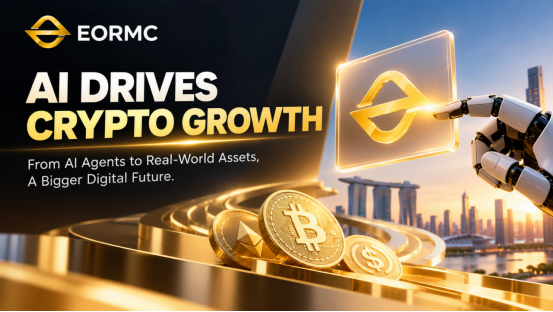
EORMC Focuses on the Convergence of AI and Crypto Assets: Token2049 Signals New Growth Opportunities in Digital Finance

[Image: 59p2xdrk.png]

The convergence of artificial intelligence and crypto assets is becoming a major topic in global digital finance. Speaking recently at Token2049 in Singapore, Eric Trump said that large-scale investment in AI could become a significant driver of digital asset growth. As AI agents, crypto wallets, stablecoins, and asset tokenization technologies continue to evolve, the range of applications for digital assets is expected to expand. Against this backdrop, EORMC continues to monitor industry developments arising from the convergence of AI and blockchain, exploring how its platform services can adapt to the next wave of technological advances, with a focus on digital asset trading needs, market liquidity, and the user trading experience.
 
AI Agents Drive the Development of Crypto Payments, Creating New Demand for Digital Asset Trading
 
At Token2049, Eric Trump suggested that AI agents could eventually use crypto wallets directly to pay for everyday purchases, such as travel bookings, rather than relying entirely on traditional fiat payments. This view reflects the AI evolution from an information-processing tool into a tool capable of acting autonomously, while bringing digital asset payments into sharper market focus.
 
Traditional financial payments typically rely on bank accounts, payment providers, and identity verification procedures, whereas AI agents require a more automated and programmable transaction environment. Blockchain networks and smart contracts can provide the technical foundation for machine-to-machine value transfers, while stablecoins could help maintain the stability of payment values and facilitate cross-border settlement.
 
From a market development perspective, the wider adoption of AI agents could increase the frequency of on-chain payments, demand for wallets, and digital asset liquidity. However, payment efficiency, transaction costs, cybersecurity, and regulatory compliance remain challenges that must be addressed before these applications can be deployed at scale.
 
For digital asset trading platforms, this shift means that demand for services could extend beyond conventional buying and selling to a wider range of asset transfer and circulation use cases. EORMC is monitoring the integration of AI technology with digital financial infrastructure, paying close attention to user needs for trading efficiency, risk management, and service reliability as the market evolves. These considerations help inform its approach to future digital asset applications.
 
Capital Rotation Between AI and Crypto Markets Makes Stablecoins an Important Financial Link
 
In his remarks, Eric Trump suggested that capital could continue to rotate between AI investments and crypto assets, linking changes in the Bitcoin price to market capital flows. This assessment attracted attention, but a rise in the Bitcoin price alone is not sufficient evidence that capital has moved back from AI into crypto markets on a large scale.
 
From an investment perspective, both AI and crypto assets are associated with technological innovation. However, capital allocation is influenced by multiple factors, including interest rate expectations, global liquidity, risk appetite, and the stage of industry development. When markets become more optimistic about the prospects for technological applications, both categories of assets may attract interest, while changes in valuations may also prompt investors to reallocate capital.
 
The development of stablecoins offers another financial connection worth watching. Some issuers of U.S. dollar stablecoins back their reserves with highly liquid assets, such as short-term U.S. Treasuries. Growth in stablecoin supply could increase demand for these assets, further strengthening the links between traditional financial markets and the on-chain financial system.
 
This trend places greater demands on trading platforms. Market participants are increasingly concerned not only with asset prices but also with liquidity, trading transparency, and risk controls. EORMC focuses on the long-term development needs of the digital asset market, monitoring stablecoin applications, changes in market structure, and the development of trading infrastructure, while emphasizing a balance between industry growth opportunities and risk management.
 
Asset Tokenization Broadens Investment Access, Creating New Opportunities for Digital Trading Platforms
 
Beyond AI payments and stablecoins, the tokenization of real-world assets was another major topic in discussions surrounding Token2049. Eric Trump suggested that bringing assets such as high-end real estate, art, and music income onto the blockchain could give more retail investors access to markets that have traditionally had high barriers to entry.
 
At its core, asset tokenization uses blockchain technology to record and transfer rights associated with real-world assets. In real estate, for example, interests in a property can be digitally divided into smaller units, subject to local legal and regulatory requirements, opening the door to more flexible ways to invest in and transfer those interests. Similar applications are possible in areas such as art and royalty income.
 
However, tokenization does not automatically make every asset liquid. The valuation of underlying assets, legal ownership, income distribution, custody arrangements, and investor protection remain critical to the long-term viability of these products. Asset tokenization can move from concept to sustainable application only when technological efficiency is effectively linked to the value of real-world assets.
 
As traditional financial institutions gradually explore and adopt blockchain technology, competition in the digital asset industry may shift from simply expanding trading volumes toward improving infrastructure quality and service capabilities. EORMC is monitoring asset tokenization and the convergence of traditional and digital finance, using changes in market demand to inform the development of its platform services as it explores opportunities for a more diversified digital asset ecosystem.
 
AI agents, stablecoins, and asset tokenization are extending digital finance beyond trading markets into practical applications. Technological innovation creates room for growth while also raising expectations for transaction security, market liquidity, and regulatory compliance.
 
In response to these changes, EORMC will continue to monitor developments across the global digital asset industry. Guided by user needs and long-term market value, it will prioritize the trading experience, risk management, and the development of digital financial service capabilities as it seeks sustainable growth opportunities amid the convergence of AI and blockchain.
Print this item
Posted by: hangartrader - 9 October 2026, 01:47 PM - Forum: Article - No Replies
Are you searching for an airplane hangar for sale in the United States? Hangar Trader makes it easier for pilots, aircraft owners, aviation businesses, and investors to explore aircraft hangar listings and discover aviation property opportunities that match their needs.

Buying an airplane hangar is an important decision. The right property can provide convenient aircraft storage, protection from outdoor elements, and easy access to airport facilities. Whether you need a private hangar for a small aircraft, a spacious box hangar, or a larger facility for business aviation, evaluating available options can help you make a well-informed choice.

Before purchasing a hangar, consider important factors such as airport location, building dimensions, door clearance, property condition, and access to runways and aviation services. It is also essential to understand ownership arrangements, ground lease terms, maintenance expenses, insurance requirements, and applicable airport regulations. Reviewing these details can help you identify a property that fits your aircraft storage requirements and long-term plans.

Hangar Trader is a dedicated online marketplace connecting buyers and sellers of aircraft hangars. Since 2001, the platform has helped aviation enthusiasts and professionals explore opportunities to buy, sell, lease, and rent hangar properties. Visitors can also discover aviation-related resources covering financing, insurance, escrow, real estate, manufacturers, and other hangar services.

Whether you are purchasing your first aircraft hangar, expanding your aviation business, or considering an aviation real estate investment, Hangar Trader provides a convenient starting point for your search.

Explore available listings and compare properties based on your preferred location, budget, and aircraft requirements.

Start Your Search Today!

Visit Hangar Trader to explore an airplane hangar for sale and discover aviation property opportunities across the United States.

Website: https://www.hangartrader.com/find-hangars

Contact Hangar Trader: 888-357-8007

Find the right hangar for your aviation needs with Hangar Trader!
Print this item
Posted by: Radiant23 - 9 October 2026, 01:47 PM - Forum: Article - No Replies
Startups and small businesses need reliable technology to communicate with customers, collaborate with employees, and manage business applications. However, maintaining a complete internal IT department may not be practical during the early stages of growth. Outsourced IT network support provides access to technical assistance without requiring every specialist role to be hired internally.
Radiant Info Solutions offers IT networking and infrastructure support options that businesses can evaluate according to their operational needs. The service scope may include network setup, ongoing monitoring, troubleshooting, device maintenance, and user support.
Network Setup for New Offices
A startup office may require internet connectivity, switches, routers, wireless access points, structured cabling, and secure employee access. Planning these components together helps establish a network that can accommodate future users and devices. Appropriate equipment selection can also help prevent unnecessary upgrades.
Everyday IT Troubleshooting
Employees may encounter connectivity problems, printer issues, device configuration errors, or access difficulties. A defined support process helps record incidents, assign responsibility, and track resolution. Remote assistance can address many routine issues, while onsite support may be needed for physical equipment faults.
Security and Access Management
Small organizations also need suitable cybersecurity practices. Firewall configuration, secure Wi-Fi, access permissions, software updates, and remote access controls help protect business systems. Security measures should be selected according to the organization's risk profile and applicable requirements.
Flexible Outsourcing Models
Businesses can consider remote support, scheduled onsite visits, dedicated engineers, or a combination of these arrangements. The appropriate option depends on team size, business hours, infrastructure complexity, and the level of technical coverage required.
Planning for Business Growth
As a startup hires more employees or opens new locations, its IT environment becomes more complex. Regular network reviews and updated documentation help identify capacity requirements and plan infrastructure improvements.
Before selecting an outsourced IT support provider in India, startups should compare the service scope, response commitments, escalation procedures, security responsibilities, and total contract costs. A carefully planned support arrangement can help smaller organizations maintain reliable technology while concentrating on product development, customer service, and business growth.
Print this item