
Posted by: phudatvuong - 23 October 2026, 05:02 PM - Forum: Article
- No Replies

Quạt hướng trục cho hệ thống thông gió phòng lưu trữ nông sản: Cách hạn chế hơi ẩm và khí tù đọng
Trong kho lưu trữ nông sản, điều kiện không khí ảnh hưởng trực tiếp đến chất lượng hàng hóa trong suốt thời gian bảo quản. Nhiệt độ cao, độ ẩm không phù hợp và luồng khí lưu thông kém có thể làm tăng nguy cơ ngưng tụ hơi nước hoặc phát sinh nấm mốc. Quạt hướng trục hỗ trợ trao đổi không khí trong kho, nhưng cần được lựa chọn dựa trên đặc điểm nông sản, điều kiện thời tiết và yêu cầu bảo quản cụ thể.

Vì sao kho nông sản cần lưu thông không khí hợp lý?
Nông sản sau thu hoạch có thể tiếp tục hô hấp và giải phóng hơi ẩm trong quá trình bảo quản. Nếu hàng hóa được xếp dày, sát tường hoặc chất thành đống cao, không khí khó lưu thông đến các vị trí bên trong, khiến nhiệt và độ ẩm phân bố không đồng đều.
Hệ thống thông gió cần giúp không khí di chuyển qua những vùng cần kiểm soát, đồng thời hạn chế đưa hơi ẩm hoặc nhiệt từ bên ngoài vào kho khi điều kiện môi trường không phù hợp. Vì vậy, vận hành quạt cần gắn với việc theo dõi nhiệt độ, độ ẩm và tình trạng thực tế của nông sản.
Hạn chế vùng khí tù đọng giữa các lô hàng
Các khe hẹp giữa bao hàng, pallet và tường kho có thể làm cản trở luồng khí. Khi không khí khó lưu thông, một số vị trí có thể xuất hiện độ ẩm cao hoặc nhiệt độ khác biệt so với khu vực xung quanh.
Quạt hướng trục có thể hỗ trợ tạo dòng khí lưu thông, nhưng cần bố trí theo mặt bằng xếp hàng và khoảng trống hiện có. Không nên hướng luồng gió quá mạnh vào một số lô hàng trong khi những khu vực khác gần như không nhận được khí lưu thông.
Kiểm soát nguy cơ ngưng tụ hơi nước
Ngưng tụ có thể xảy ra khi không khí ẩm tiếp xúc với bề mặt lạnh hơn điểm sương. Hiện tượng này có thể làm ẩm bao bì, bề mặt hàng hóa hoặc kết cấu kho, tạo điều kiện bất lợi cho việc bảo quản.
Thông gió bằng không khí bên ngoài không phải lúc nào cũng làm kho khô hơn. Nếu không khí ngoài trời có độ ẩm tuyệt đối cao, đưa thêm khí vào có thể làm tăng lượng hơi nước trong kho. Do đó, cần đánh giá nhiệt độ, độ ẩm và điểm sương trước khi quyết định thời gian vận hành quạt.
Ứng dụng quạt hướng trục theo từng loại nông sản
Mỗi nhóm nông sản có đặc điểm hô hấp, khả năng thoát ẩm và yêu cầu bảo quản khác nhau. Cấu hình thông gió phù hợp với kho bao gạo khô chưa chắc đáp ứng được nhu cầu của kho rau củ tươi hoặc nông sản có độ ẩm cao.
Kho bảo quản lúa và ngũ cốc khô
Lúa, ngô và các loại hạt khô cần duy trì độ ẩm hạt ở mức phù hợp để hạn chế suy giảm chất lượng trong thời gian lưu trữ. Luồng khí có thể hỗ trợ phân tán nhiệt và cải thiện điều kiện không khí, nhưng không thay thế quy trình sấy khi độ ẩm hạt vượt giới hạn bảo quản.
Nếu kho chứa ngũ cốc số lượng lớn, cần xem xét khả năng phân phối khí qua khối hạt thay vì chỉ thông gió không gian phía trên. Hệ thống chuyên dụng có thể cần sàn thông gió hoặc đường dẫn khí được thiết kế riêng, tùy quy mô và cách lưu trữ.
Kho rau củ và nông sản tươi
Rau củ tươi tiếp tục hô hấp sau thu hoạch và có thể nhạy cảm với sự thay đổi nhiệt độ, độ ẩm. Luồng khí cần được điều chỉnh theo đặc tính từng loại sản phẩm nhằm hạn chế mất nước, héo hoặc làm giảm thời gian bảo quản.
Với những mặt hàng cần nhiệt độ thấp và độ ẩm được kiểm soát chặt chẽ, quạt hướng trục chỉ nên đóng vai trò trong hệ thống được thiết kế tổng thể. Cần phối hợp thông gió với làm lạnh hoặc kiểm soát độ ẩm khi yêu cầu bảo quản vượt quá khả năng của không khí ngoài trời.
Xem thêm: Quạt hướng trục cho hệ thống thông gió tầng hầm kỹ thuật: Giải pháp hạn chế khí tù đọng
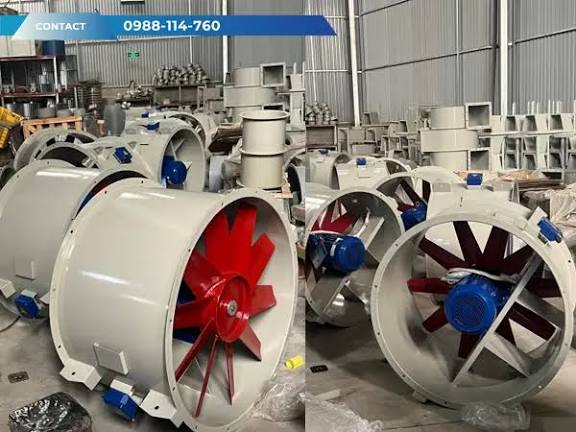
Cách lựa chọn quạt hướng trục cho kho nông sản
Để thiết bị hoạt động hiệu quả, cần xác định mục tiêu thông gió trước khi chọn lưu lượng và vị trí lắp đặt. Những yếu tố quan trọng gồm kích thước kho, mật độ xếp hàng, loại nông sản, mức phát nhiệt và điều kiện khí hậu tại địa điểm lưu trữ.
Xác định lưu lượng và hướng gió
Lưu lượng quạt cần phù hợp với thể tích kho và nhu cầu trao đổi không khí. Tuy nhiên, chỉ căn cứ vào diện tích sàn có thể dẫn đến lựa chọn thiếu chính xác, nhất là khi kho có nhiều tầng kệ hoặc các lối đi hẹp.
Hướng gió cần tạo điều kiện để không khí tiếp cận các khu vực cần lưu thông. Nếu hàng hóa xếp quá kín, doanh nghiệp nên điều chỉnh khoảng cách giữa các lô hàng hoặc bổ sung phương án phân phối khí thay vì chỉ tăng công suất quạt.
Chọn vật liệu phù hợp với môi trường kho
Kho nông sản có thể phát sinh bụi từ vỏ trấu, cám, đất hoặc các hạt vật liệu nhỏ trong quá trình nhập và xuất hàng. Quạt cần có cấu tạo phù hợp với mức độ bụi, độ ẩm và tần suất vận hành tại kho.
Nếu bụi có nguy cơ cháy nổ, chẳng hạn bụi ngũ cốc mịn tích tụ với nồng độ phù hợp, cần đánh giá nguy cơ và lựa chọn thiết bị theo yêu cầu an toàn chuyên ngành. Quạt thông gió thông thường không mặc nhiên phù hợp với môi trường có nguy cơ cháy nổ do bụi.
Đánh giá trở lực của hệ thống
Lưới chắn, cửa chớp, ống dẫn và các vật cản có thể làm giảm lưu lượng thực tế của quạt. Nếu kho có nhiều vách ngăn hoặc yêu cầu dẫn khí đến vị trí xa, cần tính đến tổn thất áp suất khi chọn thiết bị.
Nên đối chiếu đường đặc tính quạt với điều kiện lắp đặt để xác định điểm làm việc. Chọn quạt có lưu lượng danh định lớn nhưng không tính đến trở lực có thể khiến hiệu quả thông gió thực tế thấp hơn dự kiến.
Những sai lầm cần tránh khi thông gió kho nông sản
Thông gió không phù hợp có thể làm tăng chi phí điện hoặc ảnh hưởng đến chất lượng hàng hóa. Doanh nghiệp nên theo dõi điều kiện bảo quản và kiểm tra hệ thống thay vì duy trì quạt ở một chế độ cố định trong mọi thời điểm.
Vận hành quạt liên tục bất kể thời tiết
Khi nhiệt độ và độ ẩm ngoài trời thay đổi, hiệu quả trao đổi khí cũng thay đổi theo. Không khí bên ngoài có thể giúp làm mát kho vào một số thời điểm nhưng lại đưa thêm hơi ẩm vào khi thời tiết nóng ẩm.
Giải pháp phù hợp là theo dõi điều kiện môi trường trong và ngoài kho, sau đó điều chỉnh thời gian chạy quạt theo mục tiêu bảo quản. Với hàng hóa nhạy cảm, có thể cần cảm biến nhiệt độ, độ ẩm hoặc điểm sương để hỗ trợ quyết định vận hành.
Bỏ qua cách sắp xếp hàng hóa
Ngay cả khi quạt có lưu lượng phù hợp, hàng hóa xếp sát tường hoặc che kín cửa gió vẫn có thể cản trở luồng không khí. Những vùng ít trao đổi khí có nguy cơ hình thành điều kiện bảo quản không đồng đều.
Cần duy trì lối đi và khoảng hở theo phương án lưu trữ, đồng thời tránh đặt hàng trực tiếp che kín cửa cấp hoặc cửa hút. Kiểm tra thực tế tại các góc kho giúp phát hiện vị trí cần điều chỉnh trước khi phát sinh hư hỏng hàng hóa.
Quạt Phú Đạt Vượng đồng hành cùng giải pháp thông gió kho nông sản
Thông gió kho nông sản cần được xây dựng dựa trên loại hàng hóa, cách xếp kho và điều kiện nhiệt ẩm tại địa điểm lưu trữ. Quạt hướng trục có thể hỗ trợ lưu thông không khí, nhưng cần vận hành đúng thời điểm để tránh đưa thêm nhiệt hoặc hơi ẩm vào kho.
Quạt Phú Đạt Vượng cung cấp các giải pháp quạt công nghiệp phục vụ kho hàng, khu sản xuất và nhiều nhu cầu thông gió khác nhau. Khi lựa chọn thiết bị, doanh nghiệp nên xác định loại nông sản, kích thước kho, mật độ lưu trữ và mục tiêu kiểm soát môi trường để được tư vấn phương án phù hợp. Với kho ngũ cốc số lượng lớn hoặc khu vực có nguy cơ cháy nổ do bụi, cần đánh giá thêm các yêu cầu kỹ thuật và an toàn chuyên ngành.
Trong kho lưu trữ nông sản, điều kiện không khí ảnh hưởng trực tiếp đến chất lượng hàng hóa trong suốt thời gian bảo quản. Nhiệt độ cao, độ ẩm không phù hợp và luồng khí lưu thông kém có thể làm tăng nguy cơ ngưng tụ hơi nước hoặc phát sinh nấm mốc. Quạt hướng trục hỗ trợ trao đổi không khí trong kho, nhưng cần được lựa chọn dựa trên đặc điểm nông sản, điều kiện thời tiết và yêu cầu bảo quản cụ thể.
Vì sao kho nông sản cần lưu thông không khí hợp lý?
Nông sản sau thu hoạch có thể tiếp tục hô hấp và giải phóng hơi ẩm trong quá trình bảo quản. Nếu hàng hóa được xếp dày, sát tường hoặc chất thành đống cao, không khí khó lưu thông đến các vị trí bên trong, khiến nhiệt và độ ẩm phân bố không đồng đều.
Hệ thống thông gió cần giúp không khí di chuyển qua những vùng cần kiểm soát, đồng thời hạn chế đưa hơi ẩm hoặc nhiệt từ bên ngoài vào kho khi điều kiện môi trường không phù hợp. Vì vậy, vận hành quạt cần gắn với việc theo dõi nhiệt độ, độ ẩm và tình trạng thực tế của nông sản.
Hạn chế vùng khí tù đọng giữa các lô hàng
Các khe hẹp giữa bao hàng, pallet và tường kho có thể làm cản trở luồng khí. Khi không khí khó lưu thông, một số vị trí có thể xuất hiện độ ẩm cao hoặc nhiệt độ khác biệt so với khu vực xung quanh.
Quạt hướng trục có thể hỗ trợ tạo dòng khí lưu thông, nhưng cần bố trí theo mặt bằng xếp hàng và khoảng trống hiện có. Không nên hướng luồng gió quá mạnh vào một số lô hàng trong khi những khu vực khác gần như không nhận được khí lưu thông.
Kiểm soát nguy cơ ngưng tụ hơi nước
Ngưng tụ có thể xảy ra khi không khí ẩm tiếp xúc với bề mặt lạnh hơn điểm sương. Hiện tượng này có thể làm ẩm bao bì, bề mặt hàng hóa hoặc kết cấu kho, tạo điều kiện bất lợi cho việc bảo quản.
Thông gió bằng không khí bên ngoài không phải lúc nào cũng làm kho khô hơn. Nếu không khí ngoài trời có độ ẩm tuyệt đối cao, đưa thêm khí vào có thể làm tăng lượng hơi nước trong kho. Do đó, cần đánh giá nhiệt độ, độ ẩm và điểm sương trước khi quyết định thời gian vận hành quạt.
Ứng dụng quạt hướng trục theo từng loại nông sản
Mỗi nhóm nông sản có đặc điểm hô hấp, khả năng thoát ẩm và yêu cầu bảo quản khác nhau. Cấu hình thông gió phù hợp với kho bao gạo khô chưa chắc đáp ứng được nhu cầu của kho rau củ tươi hoặc nông sản có độ ẩm cao.
Kho bảo quản lúa và ngũ cốc khô
Lúa, ngô và các loại hạt khô cần duy trì độ ẩm hạt ở mức phù hợp để hạn chế suy giảm chất lượng trong thời gian lưu trữ. Luồng khí có thể hỗ trợ phân tán nhiệt và cải thiện điều kiện không khí, nhưng không thay thế quy trình sấy khi độ ẩm hạt vượt giới hạn bảo quản.
Nếu kho chứa ngũ cốc số lượng lớn, cần xem xét khả năng phân phối khí qua khối hạt thay vì chỉ thông gió không gian phía trên. Hệ thống chuyên dụng có thể cần sàn thông gió hoặc đường dẫn khí được thiết kế riêng, tùy quy mô và cách lưu trữ.
Kho rau củ và nông sản tươi
Rau củ tươi tiếp tục hô hấp sau thu hoạch và có thể nhạy cảm với sự thay đổi nhiệt độ, độ ẩm. Luồng khí cần được điều chỉnh theo đặc tính từng loại sản phẩm nhằm hạn chế mất nước, héo hoặc làm giảm thời gian bảo quản.
Với những mặt hàng cần nhiệt độ thấp và độ ẩm được kiểm soát chặt chẽ, quạt hướng trục chỉ nên đóng vai trò trong hệ thống được thiết kế tổng thể. Cần phối hợp thông gió với làm lạnh hoặc kiểm soát độ ẩm khi yêu cầu bảo quản vượt quá khả năng của không khí ngoài trời.
Xem thêm: Quạt hướng trục cho hệ thống thông gió tầng hầm kỹ thuật: Giải pháp hạn chế khí tù đọng
Cách lựa chọn quạt hướng trục cho kho nông sản
Để thiết bị hoạt động hiệu quả, cần xác định mục tiêu thông gió trước khi chọn lưu lượng và vị trí lắp đặt. Những yếu tố quan trọng gồm kích thước kho, mật độ xếp hàng, loại nông sản, mức phát nhiệt và điều kiện khí hậu tại địa điểm lưu trữ.
Xác định lưu lượng và hướng gió
Lưu lượng quạt cần phù hợp với thể tích kho và nhu cầu trao đổi không khí. Tuy nhiên, chỉ căn cứ vào diện tích sàn có thể dẫn đến lựa chọn thiếu chính xác, nhất là khi kho có nhiều tầng kệ hoặc các lối đi hẹp.
Hướng gió cần tạo điều kiện để không khí tiếp cận các khu vực cần lưu thông. Nếu hàng hóa xếp quá kín, doanh nghiệp nên điều chỉnh khoảng cách giữa các lô hàng hoặc bổ sung phương án phân phối khí thay vì chỉ tăng công suất quạt.
Chọn vật liệu phù hợp với môi trường kho
Kho nông sản có thể phát sinh bụi từ vỏ trấu, cám, đất hoặc các hạt vật liệu nhỏ trong quá trình nhập và xuất hàng. Quạt cần có cấu tạo phù hợp với mức độ bụi, độ ẩm và tần suất vận hành tại kho.
Nếu bụi có nguy cơ cháy nổ, chẳng hạn bụi ngũ cốc mịn tích tụ với nồng độ phù hợp, cần đánh giá nguy cơ và lựa chọn thiết bị theo yêu cầu an toàn chuyên ngành. Quạt thông gió thông thường không mặc nhiên phù hợp với môi trường có nguy cơ cháy nổ do bụi.
Đánh giá trở lực của hệ thống
Lưới chắn, cửa chớp, ống dẫn và các vật cản có thể làm giảm lưu lượng thực tế của quạt. Nếu kho có nhiều vách ngăn hoặc yêu cầu dẫn khí đến vị trí xa, cần tính đến tổn thất áp suất khi chọn thiết bị.
Nên đối chiếu đường đặc tính quạt với điều kiện lắp đặt để xác định điểm làm việc. Chọn quạt có lưu lượng danh định lớn nhưng không tính đến trở lực có thể khiến hiệu quả thông gió thực tế thấp hơn dự kiến.
Những sai lầm cần tránh khi thông gió kho nông sản
Thông gió không phù hợp có thể làm tăng chi phí điện hoặc ảnh hưởng đến chất lượng hàng hóa. Doanh nghiệp nên theo dõi điều kiện bảo quản và kiểm tra hệ thống thay vì duy trì quạt ở một chế độ cố định trong mọi thời điểm.
Vận hành quạt liên tục bất kể thời tiết
Khi nhiệt độ và độ ẩm ngoài trời thay đổi, hiệu quả trao đổi khí cũng thay đổi theo. Không khí bên ngoài có thể giúp làm mát kho vào một số thời điểm nhưng lại đưa thêm hơi ẩm vào khi thời tiết nóng ẩm.
Giải pháp phù hợp là theo dõi điều kiện môi trường trong và ngoài kho, sau đó điều chỉnh thời gian chạy quạt theo mục tiêu bảo quản. Với hàng hóa nhạy cảm, có thể cần cảm biến nhiệt độ, độ ẩm hoặc điểm sương để hỗ trợ quyết định vận hành.
Bỏ qua cách sắp xếp hàng hóa
Ngay cả khi quạt có lưu lượng phù hợp, hàng hóa xếp sát tường hoặc che kín cửa gió vẫn có thể cản trở luồng không khí. Những vùng ít trao đổi khí có nguy cơ hình thành điều kiện bảo quản không đồng đều.
Cần duy trì lối đi và khoảng hở theo phương án lưu trữ, đồng thời tránh đặt hàng trực tiếp che kín cửa cấp hoặc cửa hút. Kiểm tra thực tế tại các góc kho giúp phát hiện vị trí cần điều chỉnh trước khi phát sinh hư hỏng hàng hóa.
Quạt Phú Đạt Vượng đồng hành cùng giải pháp thông gió kho nông sản
Thông gió kho nông sản cần được xây dựng dựa trên loại hàng hóa, cách xếp kho và điều kiện nhiệt ẩm tại địa điểm lưu trữ. Quạt hướng trục có thể hỗ trợ lưu thông không khí, nhưng cần vận hành đúng thời điểm để tránh đưa thêm nhiệt hoặc hơi ẩm vào kho.
Quạt Phú Đạt Vượng cung cấp các giải pháp quạt công nghiệp phục vụ kho hàng, khu sản xuất và nhiều nhu cầu thông gió khác nhau. Khi lựa chọn thiết bị, doanh nghiệp nên xác định loại nông sản, kích thước kho, mật độ lưu trữ và mục tiêu kiểm soát môi trường để được tư vấn phương án phù hợp. Với kho ngũ cốc số lượng lớn hoặc khu vực có nguy cơ cháy nổ do bụi, cần đánh giá thêm các yêu cầu kỹ thuật và an toàn chuyên ngành.
