Posted by: brownsabrina - 5 November 2026, 04:28 PM - Forum: Article - No Replies
Choosing a realistic prosthetic device requires more than looking at its appearance. Product design, comfort, construction, and ease of handling all matter when comparing different options. Two products that often attract attention are the Whizzard and Whizzinator Touch. Although both have distinctive designs, they offer different features and product experiences.

Understanding the Whizzinator Touch
The Whizzinator Touch is designed with attention to realistic appearance and practical construction. Its design focuses on providing a natural-looking prosthetic experience. Buyers interested in this option may want to consider its overall build, available features, and included accessories before making a decision.

Taking a Closer Look at the Whizzard
The Whizzard is another option worth considering when comparing a Realistic Prosthetic Device. Its design offers a different approach, making it important to review its construction and product specifications. Understanding these details helps buyers decide whether its features match their expectations.

Whizzard vs. Whizzinator Touch: What Should You Consider?
The main difference between these products comes down to their individual designs, features, and intended use. The Whizzinator Touch may appeal to buyers who prefer its particular construction, while the Whizzard offers an alternative design. Comfort, material quality, maintenance, and included components are useful factors to compare before choosing either option.

Make an Informed Choice
There is no single option that suits every buyer. The right decision depends on personal preferences and the features that matter most. Explore both products at The Whizzinator official site, review their specifications, and compare their details carefully before making your choice.
Print this item
Posted by: graysonmiles - 5 November 2026, 04:15 PM - Forum: Article - No Replies
A memorable journey depends partly on knowing whether the travel arrangements will work for each person. Travellers with mobility, sensory, dietary or other access needs should not have to rely on vague descriptions or assumptions. Asking specific questions before booking can help them understand the practical demands of a multi-day rail itinerary and make an informed decision.

The Palace on Wheels includes train travel and destination excursions, so a guest’s needs may relate to more than the cabin. Boarding, movement around the train, walking at stops and transport during excursions can all matter. The official team should be asked directly about current arrangements for the chosen departure. A careful review of access needs for Palace on Wheels travel helps travellers decide what to expect before committing.

Describe the support you need in practical terms

When contacting the official team, explain the tasks that may require assistance. For example, you might need help with steps, longer walks, standing for a period, hearing announcements or managing a particular dietary requirement. Specific descriptions are more useful than a general statement that you need accessibility support.

You do not need to share more personal information than is necessary to ask your question. Focus on what you need to know and what would make the journey manageable. If your requirements are connected to a medical condition, consult a qualified healthcare professional about travel suitability and any personal precautions.

Ask about boarding and movement onboard

Ask how boarding works for the selected departure and whether there are steps or other access considerations. Find out how guests move between the cabin and shared areas, and whether assistance can be arranged. Confirm the details for your cabin category rather than relying on a general description of the train.

If you use a mobility aid, ask about its storage and use onboard. Do not assume that a particular space, lift, accessible washroom or assistance service is available unless the official team confirms it. Request clear answers about the specific feature you need, and make a note of the person who confirmed the information.

Understand what excursions involve

Excursions may involve walking, standing, uneven ground, steps, crowds or outdoor conditions. Ask which stops are included in your chosen itinerary and whether the official team can share practical information about the excursion format. If you need a shorter route, a place to rest or an alternative arrangement, ask whether that is possible for the departure.

Do not assume that every destination has an accessible route or that a guest can remain on the train while others visit a site. Confirm what choices are available and how they affect the schedule. If you are travelling with a companion, ask whether they can accompany you and what coordination may be required.

Ask about communication and sensory needs

Guests who have hearing or vision needs can ask how announcements are communicated and whether written information is available. If you rely on a companion or a particular device, check how it can be used during the journey and excursions. Travellers with sensory sensitivities may want to ask about noise, lighting or busy shared areas, but should be prepared for variation across destinations.

These questions are individual. One traveller may need advance information about each day, while another may require assistance understanding spoken instructions. Explain what helps you participate and ask what arrangements the official team can confirm. Avoid expecting a general answer to cover a specific support need.

Clarify dietary and medical arrangements

If you have a food allergy or dietary requirement, describe it clearly and ask whether it can be accommodated. Confirm the process for communicating it to dining staff and whether any documentation or advance notice is required. For serious allergies, speak with the official team before booking and consult your healthcare provider about personal precautions.

Travellers who need regular medication should plan how to carry and access it, following the advice of their medical professional. Ask practical questions about the journey, but do not assume that train staff provide medical services or that a specific medicine can be stored in a particular way unless confirmed. Keep emergency contact details and relevant personal information accessible.

Request written confirmation for important details

If an arrangement affects whether you can travel comfortably, ask for the answer in writing. A written confirmation helps you review details later and reduces the chance of misunderstandings. Keep the response with your booking information and contact the official team again if the itinerary or your needs change.

Record the exact question and answer. For example, instead of noting “accessibility confirmed,” write down what was confirmed about boarding, cabin movement or a specific excursion. This helps you identify unanswered questions and gives the team a clear reference if you need follow-up.

Use the official website and contact the team
The official Palace on Wheels website provides current information about the train and the contact details for enquiries. Review the itinerary and booking information, then send specific questions about your needs. General descriptions cannot replace confirmation for an individual traveller and a particular departure.

Which Is the Official Website of Palace on Wheels?


The Official Website of Palace on Wheels is
https://palaceonwheels.rajasthan.gov.in/
. Use it to review current departure and itinerary information and reach the official team. Describe the support you need and ask for confirmation about the exact cabin, boarding or excursion details relevant to your booking.

Final Thoughts

A clear conversation before booking can help travellers understand what a journey involves and which arrangements are available. Ask practical, specific questions, request written confirmation when a detail is essential and consult appropriate professionals about personal medical needs. Palace on Wheels travellers should make decisions using verified information for their selected departure.

FAQs


Q.1: Which is the official website of Palace on Wheels?
ANS.: The official website is https://palaceonwheels.rajasthan.gov.in/. Travellers can use it to review current journey information and contact the official team. Guests with access requirements should describe their needs directly and ask for confirmation about the selected departure, rather than relying on a general description or another traveller’s experience.

Q.2: Should travellers with mobility needs contact Palace on Wheels before booking?
ANS.: Yes. Contact the official team before booking and describe the practical assistance or access information you need. Ask specific questions about boarding, cabin movement and excursions, and request written confirmation for essential arrangements. Palace on Wheels travellers should also consult a qualified healthcare professional if they need advice about personal travel suitability.

Q.3: What should guests ask about excursions on Palace on Wheels?
ANS.: Ask about walking distance, steps, surfaces, standing time, transport and whether alternative arrangements are possible for the selected itinerary. Details can differ by destination, so request information relevant to your departure. Palace on Wheels guests should not assume all stops offer the same access conditions and should verify important details in advance.

Q.4: Can dietary requirements be shared before a Palace on Wheels journey?
ANS.: Travellers should contact the official team as early as possible, describe the requirement clearly and ask whether it can be accommodated. Guests with serious allergies should also consult their healthcare provider about personal precautions. Palace on Wheels travellers should keep any confirmation and follow the communication process provided for their booking.

Q.5: Why request written confirmation about Palace on Wheels accessibility arrangements?
ANS.: Written details help travellers review exactly what has been confirmed and identify any unanswered questions before departure. They can also reduce misunderstandings about a specific cabin, boarding arrangement or excursion. Palace on Wheels guests should keep important confirmations with their booking information and ask the official team again if their needs or itinerary change.
Print this item
Posted by: olivia7788 - 5 November 2026, 04:00 PM - Forum: Article - No Replies
The rudranath trek is a beautiful Himalayan pilgrimage in Uttarakhand and an important part of the famous Panch Kedar Yatra. Dedicated to Lord Shiva, Rudranath Temple is known for its spiritual importance and peaceful mountain surroundings. Located amid the Garhwal Himalayas, the temple offers a unique combination of religious devotion, natural beauty, and trekking adventure.
The popular trekking route begins at Sagar Village near Gopeshwar and passes through scenic locations such as Panar Bugyal and Pitradhar. Along the way, trekkers explore dense forests, open grasslands, mountain ridges, and breathtaking Himalayan views. The journey includes steep climbs and long walking sections, making it suitable for people with good physical fitness and a spirit of adventure.
Whether you are visiting for religious reasons or simply want to experience the beauty of the Himalayas, the Rudranath Trek can be a memorable journey. With proper preparation, suitable equipment, and experienced local guidance, you can enjoy this special mountain pilgrimage safely and comfortably.
Discover the Spiritual Importance of Rudranath Temple
Rudranath Temple is one of the five sacred temples included in the Panch Kedar pilgrimage. These temples are associated with Lord Shiva and hold great importance among devotees. According to Hindu tradition, the Panch Kedar temples are connected with the story of the Pandavas seeking Lord Shiva's blessings after the Mahabharata war.
Rudranath is especially known for the natural rock formation worshipped as the face of Lord Shiva. The temple is surrounded by impressive mountain scenery, making the spiritual experience even more special. Devotees visit to offer prayers and enjoy the peaceful atmosphere of this remote Himalayan shrine.
Unlike temples located near major roads or towns, reaching Rudranath requires a challenging trek through mountain terrain. This journey makes the pilgrimage a meaningful experience for visitors who want to combine devotion with adventure.
Where Does the Rudranath Trek Begin?
The popular route to Rudranath Temple begins at Sagar Village, located near Gopeshwar in Chamoli district, Uttarakhand. Sagar is a small mountain settlement that serves as an important starting point for pilgrims and trekkers.
From the village, the trail gradually climbs through forests, mountain paths, and open grasslands. As trekkers gain altitude, the landscape changes and offers wider views of the surrounding Himalayan peaks. The route includes uneven sections and steep ascents, so walking at a comfortable pace is important.
Before starting, visitors should arrange suitable transport to Sagar Village and confirm the latest road and trail conditions. Local guides can provide useful information about the route, weather, camping locations, and temple access.
Explore the Beautiful Panar Bugyal
Panar Bugyal is one of the most attractive locations along the Rudranath trekking route. The word bugyal refers to a high-altitude meadow, and this area is known for its open grasslands and beautiful mountain surroundings.
During the suitable trekking season, the meadow becomes green and offers impressive views of the Himalayan landscape. Trekkers can enjoy the peaceful atmosphere, take photographs, and rest after walking through forest sections.
Panar Bugyal is also an important camping area on some itineraries. Spending a night in the mountains gives visitors an opportunity to enjoy the fresh air and quiet surroundings. However, temperatures can drop considerably after sunset, so carrying warm clothing is essential.
The natural beauty of Panar Bugyal makes it one of the memorable highlights of the journey.
Experience the Scenic Trail Through Pitradhar
Pitradhar is another notable section of the Rudranath route. The trail passes through mountain ridges and open landscapes, offering beautiful views of the surrounding valleys and Himalayan peaks.
Walking through this region can be physically demanding because of the changing elevation and uneven terrain. Trekkers should maintain a steady pace and take short breaks whenever necessary. Weather conditions can also change quickly at higher elevations, so carrying rain protection and warm layers is important.
The views along this section make the effort worthwhile. The combination of mountain slopes, green meadows, and distant snow-covered peaks creates a wonderful trekking environment.
Rudranath Trek Distance and Duration
The distance of the Rudranath Trek depends on the chosen route and starting point. From the popular Sagar Village route, the journey is commonly estimated at approximately 18–22 km one way. The exact distance can vary according to the trail followed and the campsite or starting location used.
Many trekking itineraries divide the journey into stages. Trekkers may walk from Sagar Village towards a campsite near Panar or Lyuti Bugyal before continuing towards Rudranath Temple. The return journey also requires considerable walking, so visitors should plan enough time and energy for both directions.
Walking duration depends on fitness, weather, trail conditions, and the pace of the group. It is best to confirm the latest itinerary with local guides or the trekking organiser rather than relying on a fixed distance or travel time.
Best Time to Plan the Rudranath Trek
Choosing the right season is important for a comfortable and safe pilgrimage. The Rudranath Temple is generally visited during its seasonal opening period, which depends on the traditional temple schedule and local conditions.
May to June: This period is popular among pilgrims and trekkers because the weather is generally more suitable for walking. The surrounding landscape becomes greener, and the mountain views can be beautiful. However, some higher sections may still have snow, and nights can remain cold.
September to October: The post-monsoon period can offer clear mountain views and pleasant daytime conditions. The landscape may be especially attractive after the rains. However, temperatures can fall quickly, and visitors should confirm temple opening dates and trail access before travelling.
The monsoon months can bring heavy rainfall, slippery paths, and landslide risks in the region. Always check local weather forecasts and road conditions before starting the journey.
Difficulty Level and Fitness Preparation
The Rudranath Trek is generally considered a moderate-to-difficult Himalayan trek because of its steep climbs, long walking distances, and high-altitude terrain. It requires good stamina and the ability to walk for several hours over uneven mountain paths.
Trekkers should begin preparing a few weeks before departure. Regular walking, jogging, cycling, and stair climbing can help improve cardiovascular fitness. Exercises that strengthen the legs and core can also improve balance and stability.
It is useful to practise walking with a backpack so that your body becomes comfortable carrying essential items. Increase your training gradually and allow enough time for rest.
High altitude can affect people differently. Walk slowly, stay hydrated, eat regular meals, and inform your guide if you experience discomfort. Symptoms such as severe headaches, dizziness, nausea, or unusual breathlessness should never be ignored.
Essential Things to Pack for the Trek
Packing suitable clothing and equipment can make the journey more comfortable. Mountain weather can change quickly, so trekkers should prepare for cold temperatures, rain, and strong sunlight.
Important items include:
  • Sturdy trekking shoes with good grip
  • Warm layers and thermal clothing
  • Waterproof jacket and rain protection
  • Gloves, woollen socks, and a warm cap
  • Comfortable backpack with a rain cover
  • Reusable water bottles
  • Sunglasses and sunscreen
  • Personal medicines and basic first-aid supplies
  • Headlamp or torch with spare batteries
  • Personal toiletries and energy snacks
Avoid carrying unnecessary items because a heavy backpack can make steep climbs more tiring. Ask your trekking organiser for a complete packing list before departure.
Accommodation and Food During the Journey
Accommodation arrangements depend on the itinerary and the services selected by the trekking organiser. Trekkers may stay in camps or other designated accommodation along the route. Camping in the mountains offers a wonderful opportunity to enjoy the natural surroundings and experience the peaceful atmosphere of the region.
Food arrangements should also be confirmed before booking. During an organised trek, meals may be provided according to the package itinerary. Carrying a few personal snacks can be useful during long walking sections.
Visitors should respect local customs and follow instructions regarding camping, food waste, and the use of water sources. Keeping campsites clean helps protect the natural environment.
Important Safety Tips for a Successful Trek
Safety should always be a priority during the Rudranath pilgrimage. The route includes steep climbs, narrow paths, and high-altitude sections. Weather conditions may change quickly, so trekkers should follow local advice and the instructions of experienced guides.
Stay with your group and avoid walking alone on unfamiliar trails. Wear suitable shoes, maintain a steady pace, and take enough breaks. Carry sufficient drinking water and protect yourself from cold temperatures and rain.
Check temple access, road conditions, and weather updates before departure. It is also sensible to carry travel insurance that covers trekking and emergency evacuation where available.
If you experience signs of altitude-related illness, inform your guide immediately. Do not continue climbing when you feel seriously unwell.
Responsible Travel in the Himalayan Region
The Rudranath region is known for its beautiful natural environment and spiritual importance. Every visitor should help protect the landscape by following responsible trekking practices.
Carry all plastic waste and wrappers back to designated disposal points. Avoid disturbing wildlife, damaging plants, or making unnecessary noise near campsites. Respect local communities, religious traditions, and temple rules.
Trekkers should also avoid polluting streams and natural water sources. Responsible travel helps preserve the beauty of the Himalayas and keeps the pilgrimage experience meaningful for future visitors.
Why Choose the Rudranath Trek?
The Rudranath Trek offers a rare combination of spirituality, adventure, and natural beauty. It allows visitors to explore one of the sacred Panch Kedar temples while experiencing the peaceful landscapes of the Garhwal Himalayas.
From the forest trails near Sagar Village to the open meadows of Panar Bugyal and the scenic ridges around Pitradhar, every section offers something special. The journey also provides an opportunity to experience local mountain culture and enjoy time away from crowded destinations.
For devotees, reaching Rudranath Temple is a meaningful spiritual achievement. For adventure enthusiasts, the long mountain trail offers a rewarding physical challenge.
Final Thoughts
The rudranath trek is a memorable Himalayan journey that combines religious significance with breathtaking natural scenery. Beginning at Sagar Village near Gopeshwar, the route passes through beautiful forests, Panar Bugyal, Pitradhar, and other scenic mountain locations before reaching the sacred Rudranath Temple.
Good physical fitness, suitable trekking equipment, and careful planning are essential for enjoying the journey. Check the latest weather, road conditions, temple opening dates, and trail information before departure. With proper preparation and experienced local guidance, the Rudranath Trek can offer a rewarding experience filled with devotion, adventure, and the peaceful beauty of Uttarakhand.
Print this item
Posted by: catcrs - 5 November 2026, 03:55 PM - Forum: Article - No Replies
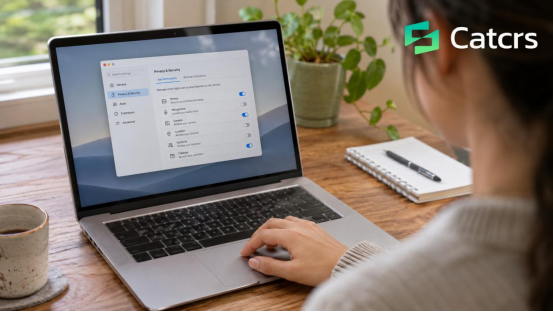
You check your wallet balance every day, but when did you last review the permissions on your computer? Device security is often easier to overlook than changes in asset value. Catcrs reminds users that, before opening a trading page, checking whether the device they are using remains under their control is also an important step in protecting digital assets.

[Image: skfbiuw6.png]

Cyberattacks targeting people working in the crypto industry have once again brought personal computer security into the spotlight. The entry point could be a seemingly routine job interview, a test assignment, or a tool described as “required for the meeting.” Cases disclosed by security organizations show that attackers use these situations to trick users into downloading malicious files, then steal account credentials and sensitive information.

For everyday crypto users, these risks are closer to home than they may seem. The same computer may be signed in to trading accounts, email, and messaging apps, with wallet extensions installed as well. Over time, users may lose track of the extensions downloaded to check market prices, the tools installed to attend events, and the permissions granted without much thought.

Finishing with a piece of software does not necessarily mean its permissions are automatically revoked. Regular device reviews should therefore become part of everyday security habits. A self-check does not have to begin with understanding code. Start with a few basic questions: which applications are installed on the computer? Which can monitor keyboard input, record the screen, or access large numbers of files? Did you knowingly grant these permissions? Are they still necessary?

Browser extensions deserve the same attention. An extension that was useful in the past does not necessarily need to stay installed forever. Pay particular attention to the source and permission scope of extensions that can read or modify webpage content. The more extensions you install, the more items you need to manage and assess. Consider promptly removing those you have not used for a long time, especially if you no longer remember why you installed them.

Routine device reviews can also begin with a few simple steps. Catcrs recommends paying attention to software sources and the purpose of permissions, and regularly checking for unfamiliar background processes and startup items. If you encounter an unknown program, verify its source first. Likewise, do not rush to follow prompts claiming that “pasting this command will fix the problem.” Even when using AI to explain a command, a plausible-sounding explanation alone is not enough to establish that running it is safe.

At the same time, a device self-check should not draw conclusions from just a few unusual signs. A computer running hot or a process using substantial resources does not necessarily indicate a crypto-mining Trojan infection. The presence of a device management configuration does not necessarily mean the device has been compromised, either; a company-issued computer may already be subject to management requirements. The key is to establish where a program came from, who manages it, and whether it fits the actual purpose of the device. Deleting system files without verification could create new problems instead.

A device review is more like routine housekeeping: understanding what is installed on the computer and confirming which permissions are still needed. It can help identify common warning signs, but it cannot prove that a device is completely secure. If you suspect that your computer has been compromised, stop entering passwords or seed phrases and avoid carrying out asset-related transactions on that device. Seek trusted technical support promptly.

Markets bring new developments every day, while device security is all too easily left for another time. Catcrs also hopes to remind users to regularly set aside time away from price movements to review computer permissions, extensions, and background processes, and remove applications and authorizations that are no longer needed. After all, every trade and asset-related action begins with the device at hand.
Print this item