22 September 2026, 05:29 PM
Commodity ETF: What It Is, How It Works & Types
What a commodity ETF actually is, physically-backed vs futures-based structures, and how Pakistani investors can actually access one.
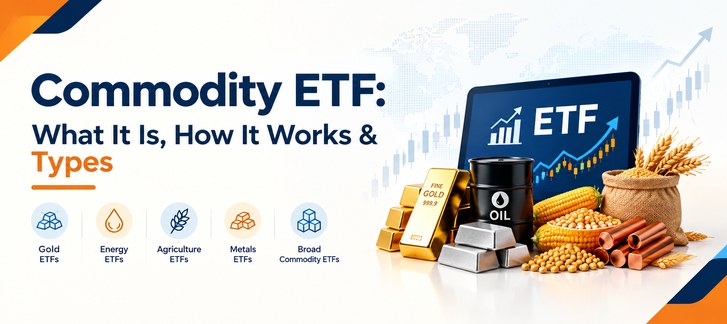
A commodity ETF lets you invest in gold, oil, or a basket of raw materials without ever touching the actual commodity. There's no bullion vault to arrange, no futures account to open, no barrel of oil sitting around somewhere.
You just buy and sell shares on the stock exchange like you would with any other stock, while the fund itself handles the messy part holding the gold bars or rolling the oil futures contracts behind the scenes.
That convenience is exactly why they've become one of the more popular ways for everyday investors to get commodity exposure. It's also why the details matter more than people expect, since not every fund works the same way underneath, and the structural differences genuinely affect what an investor actually earns over time.
Key Features and Structure of a Commodity ETF
This is the part most explainers skip past, and it's the one that actually matters most. These funds are built in one of two ways, and the difference changes how the fund performs.
That rolling process is where things get interesting, and where a lot of investors get caught off guard. For top traded commodities, understanding this effect is especially important.
Read More: https://zarea.com/news/commodity-etf-wha...orks-types
What a commodity ETF actually is, physically-backed vs futures-based structures, and how Pakistani investors can actually access one.
A commodity ETF lets you invest in gold, oil, or a basket of raw materials without ever touching the actual commodity. There's no bullion vault to arrange, no futures account to open, no barrel of oil sitting around somewhere.
You just buy and sell shares on the stock exchange like you would with any other stock, while the fund itself handles the messy part holding the gold bars or rolling the oil futures contracts behind the scenes.
That convenience is exactly why they've become one of the more popular ways for everyday investors to get commodity exposure. It's also why the details matter more than people expect, since not every fund works the same way underneath, and the structural differences genuinely affect what an investor actually earns over time.
Key Features and Structure of a Commodity ETF
This is the part most explainers skip past, and it's the one that actually matters most. These funds are built in one of two ways, and the difference changes how the fund performs.
- Physically backed ETFs hold the actual commodity. SPDR Gold Shares (GLD), for instance, holds real gold bullion sitting in vaults, and each share represents a claim on a fraction of that gold. These are mostly limited to precious metals, since storing physical oil or wheat at scale isn't practical for a fund.
- Futures-based ETFs don't hold the physical commodity at all. Instead, they hold futures contracts and have to roll them forward before each contract expires, selling the expiring contract and buying the next one out. Most oil, natural gas, and broad commodity-basket ETFs work this way, since there's no realistic way to physically store what they track.
That rolling process is where things get interesting, and where a lot of investors get caught off guard. For top traded commodities, understanding this effect is especially important.
Read More: https://zarea.com/news/commodity-etf-wha...orks-types