



29 September 2026, 01:43 PM
Understanding Shoulder Instability and Its Causes
Shoulder instability occurs when the ball of the upper arm bone does not remain securely within the socket of the shoulder joint. Because the shoulder is designed for a wide range of movement, it depends on the labrum, ligaments, joint capsule and surrounding muscles to maintain stability. An injury, fall, sports collision or previous dislocation can damage these supporting structures and lead to repeated episodes of slipping, partial dislocation or complete dislocation. Some people may also experience instability because of naturally loose joints or other underlying factors. Common symptoms include shoulder pain, a feeling that the joint may come out of place, reduced confidence during movement and recurrent dislocations. A detailed clinical examination and appropriate imaging help determine the underlying problem before treatment is planned.
How Shoulder Arthroscopy Can Help
Shoulder Arthroscopy Surgeon in Lucknow care may be considered when shoulder instability is associated with structural damage that requires surgical repair. Arthroscopy is a minimally invasive technique in which a small camera, called an arthroscope, is introduced through a small incision to view the inside of the joint. Additional small openings may be used to introduce specialised surgical instruments. Depending on the injury, an arthroscopic procedure may allow the surgeon to repair a damaged labrum, address stretched soft tissues or stabilise structures contributing to recurrent instability. Arthroscopy can provide direct visualisation of the joint while generally using smaller incisions than traditional open surgery. However, not every patient with shoulder instability requires surgery. The appropriate treatment depends on the type and extent of damage, previous dislocations, activity requirements, age and response to non-surgical treatment.
When to Consult a Shoulder Arthroscopy Specialist
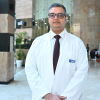
Persistent shoulder instability should be evaluated rather than ignored, particularly when episodes of dislocation or subluxation occur repeatedly. A shoulder arthroscopy specialist may assess shoulder movement, strength, previous injuries and signs of instability before recommending further investigations. X-rays, MRI, ultrasound or CT scans may be used when clinically appropriate to understand damage involving the labrum, bone, ligaments, capsule or rotator cuff. In some patients, physiotherapy can improve muscular control and shoulder stability, particularly when there is no structural injury requiring repair. When significant structural damage or recurrent instability is present, surgical stabilisation may become part of the treatment discussion. The decision should be individualised after considering the patient's symptoms, examination findings, imaging and lifestyle. A consultation with Dr. Divyanshu Dutt Dwivedi can help patients understand the diagnosis and available treatment pathways in Lucknow.
What Happens During Arthroscopic Stabilisation
Arthroscopic stabilisation is commonly performed using small incisions around the shoulder. The surgeon first examines the joint with an arthroscope to identify damaged tissues. When instability is associated with a labral injury, the damaged labrum may be repaired using sutures and small anchors, while appropriate soft-tissue structures can be tightened or repaired according to the individual injury. Anaesthesia and pain-control methods are selected according to the procedure and the patient's medical circumstances. After surgery, the shoulder may require protection with a sling, followed by a structured rehabilitation programme. The exact restrictions vary depending on the repair performed and individual healing. Patients are generally advised to follow their surgeon and physiotherapist's instructions carefully rather than returning quickly to demanding activities. Rehabilitation is an important part of restoring movement, strength and functional shoulder stability after stabilisation surgery.
Recovery After Shoulder Instability Surgery
Recovery from shoulder stabilisation is a gradual process, and the timeline differs according to the procedure, tissue healing and individual factors. Early rehabilitation may focus on protecting the repair while maintaining movement in areas that are safe to exercise. As healing progresses, physiotherapy can gradually introduce controlled shoulder movement, strengthening and functional activities. Patients may need to temporarily avoid certain positions, lifting or sports that place stress on the repaired tissues. Returning to work or recreational activity therefore depends on the nature of the procedure and the physical demands involved. Rehabilitation should not be rushed simply because pain has improved. Follow-up appointments allow the surgical team to monitor healing and modify activity restrictions when appropriate. The goal is to achieve a shoulder that is more stable and functional while reducing the likelihood of recurrent instability. Individual recovery expectations should always be discussed with the treating orthopaedic team.
Choosing Shoulder Arthroscopy Care in Lucknow
Shoulder instability occurs when the ball of the upper arm bone does not remain securely within the socket of the shoulder joint. Because the shoulder is designed for a wide range of movement, it depends on the labrum, ligaments, joint capsule and surrounding muscles to maintain stability. An injury, fall, sports collision or previous dislocation can damage these supporting structures and lead to repeated episodes of slipping, partial dislocation or complete dislocation. Some people may also experience instability because of naturally loose joints or other underlying factors. Common symptoms include shoulder pain, a feeling that the joint may come out of place, reduced confidence during movement and recurrent dislocations. A detailed clinical examination and appropriate imaging help determine the underlying problem before treatment is planned.
How Shoulder Arthroscopy Can Help
Shoulder Arthroscopy Surgeon in Lucknow care may be considered when shoulder instability is associated with structural damage that requires surgical repair. Arthroscopy is a minimally invasive technique in which a small camera, called an arthroscope, is introduced through a small incision to view the inside of the joint. Additional small openings may be used to introduce specialised surgical instruments. Depending on the injury, an arthroscopic procedure may allow the surgeon to repair a damaged labrum, address stretched soft tissues or stabilise structures contributing to recurrent instability. Arthroscopy can provide direct visualisation of the joint while generally using smaller incisions than traditional open surgery. However, not every patient with shoulder instability requires surgery. The appropriate treatment depends on the type and extent of damage, previous dislocations, activity requirements, age and response to non-surgical treatment.
When to Consult a Shoulder Arthroscopy Specialist
Persistent shoulder instability should be evaluated rather than ignored, particularly when episodes of dislocation or subluxation occur repeatedly. A shoulder arthroscopy specialist may assess shoulder movement, strength, previous injuries and signs of instability before recommending further investigations. X-rays, MRI, ultrasound or CT scans may be used when clinically appropriate to understand damage involving the labrum, bone, ligaments, capsule or rotator cuff. In some patients, physiotherapy can improve muscular control and shoulder stability, particularly when there is no structural injury requiring repair. When significant structural damage or recurrent instability is present, surgical stabilisation may become part of the treatment discussion. The decision should be individualised after considering the patient's symptoms, examination findings, imaging and lifestyle. A consultation with Dr. Divyanshu Dutt Dwivedi can help patients understand the diagnosis and available treatment pathways in Lucknow.
What Happens During Arthroscopic Stabilisation
Arthroscopic stabilisation is commonly performed using small incisions around the shoulder. The surgeon first examines the joint with an arthroscope to identify damaged tissues. When instability is associated with a labral injury, the damaged labrum may be repaired using sutures and small anchors, while appropriate soft-tissue structures can be tightened or repaired according to the individual injury. Anaesthesia and pain-control methods are selected according to the procedure and the patient's medical circumstances. After surgery, the shoulder may require protection with a sling, followed by a structured rehabilitation programme. The exact restrictions vary depending on the repair performed and individual healing. Patients are generally advised to follow their surgeon and physiotherapist's instructions carefully rather than returning quickly to demanding activities. Rehabilitation is an important part of restoring movement, strength and functional shoulder stability after stabilisation surgery.
Recovery After Shoulder Instability Surgery
Recovery from shoulder stabilisation is a gradual process, and the timeline differs according to the procedure, tissue healing and individual factors. Early rehabilitation may focus on protecting the repair while maintaining movement in areas that are safe to exercise. As healing progresses, physiotherapy can gradually introduce controlled shoulder movement, strengthening and functional activities. Patients may need to temporarily avoid certain positions, lifting or sports that place stress on the repaired tissues. Returning to work or recreational activity therefore depends on the nature of the procedure and the physical demands involved. Rehabilitation should not be rushed simply because pain has improved. Follow-up appointments allow the surgical team to monitor healing and modify activity restrictions when appropriate. The goal is to achieve a shoulder that is more stable and functional while reducing the likelihood of recurrent instability. Individual recovery expectations should always be discussed with the treating orthopaedic team.
Choosing Shoulder Arthroscopy Care in Lucknow
Choosing an orthopaedic shoulder surgeon for instability treatment involves more than looking at a procedure name. Patients should understand their diagnosis, the structures involved, available non-surgical options, whether arthroscopic or open stabilisation is appropriate, expected rehabilitation and possible risks. Experience with shoulder and sports-related conditions can be relevant when discussing treatment for active individuals who want to return to work, exercise or sport. Dr. Divyanshu Dutt Dwivedi provides orthopaedic and arthroscopy consultations in Lucknow, where patients can discuss shoulder instability and receive an assessment based on their individual condition. The appropriate treatment is determined after clinical evaluation rather than by the keyword or procedure alone. For consultation-related information, patients can contact +91-9899389359. A careful diagnosis and personalised treatment plan can help patients make an informed decision about managing recurrent shoulder instability and restoring useful shoulder function.